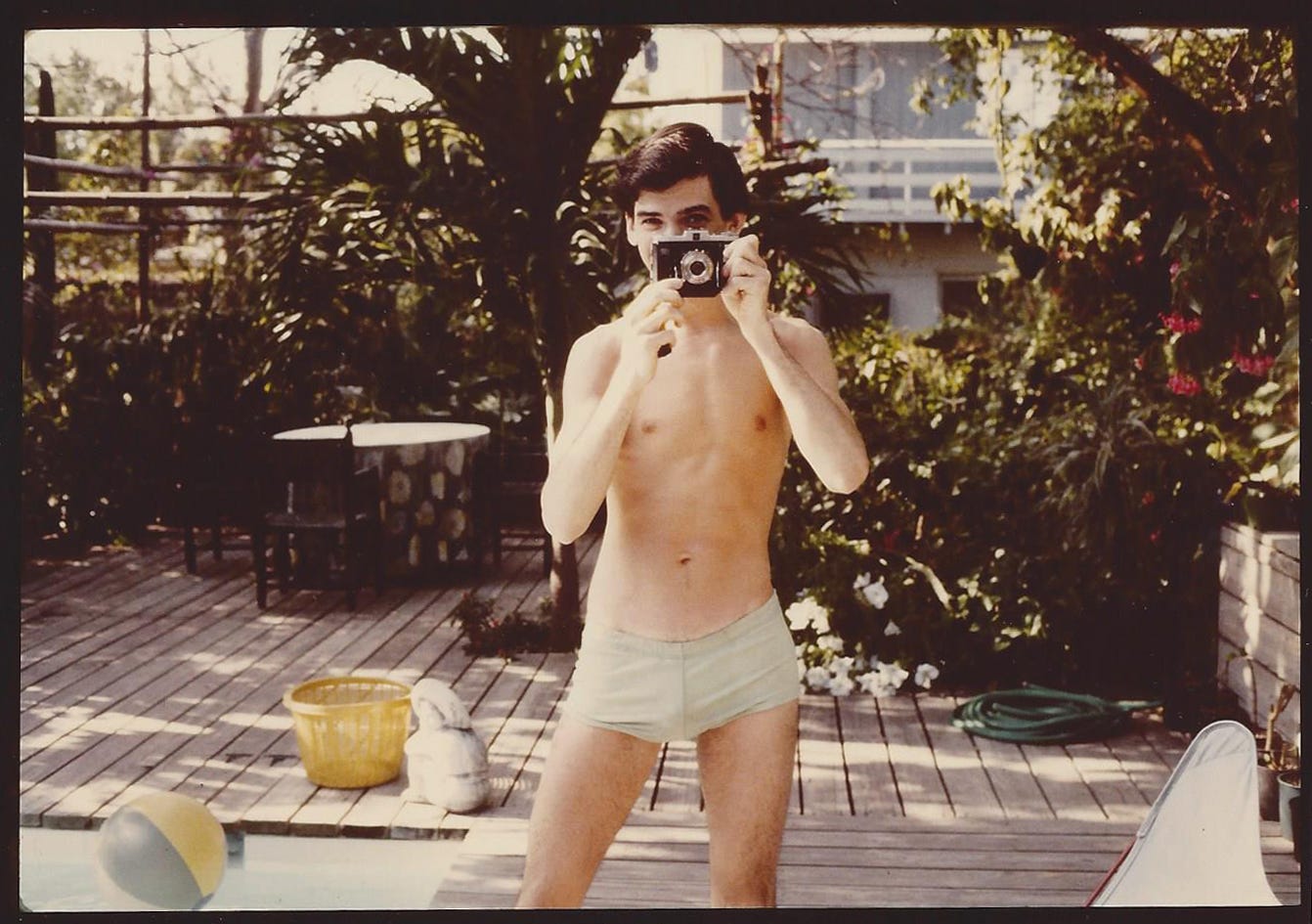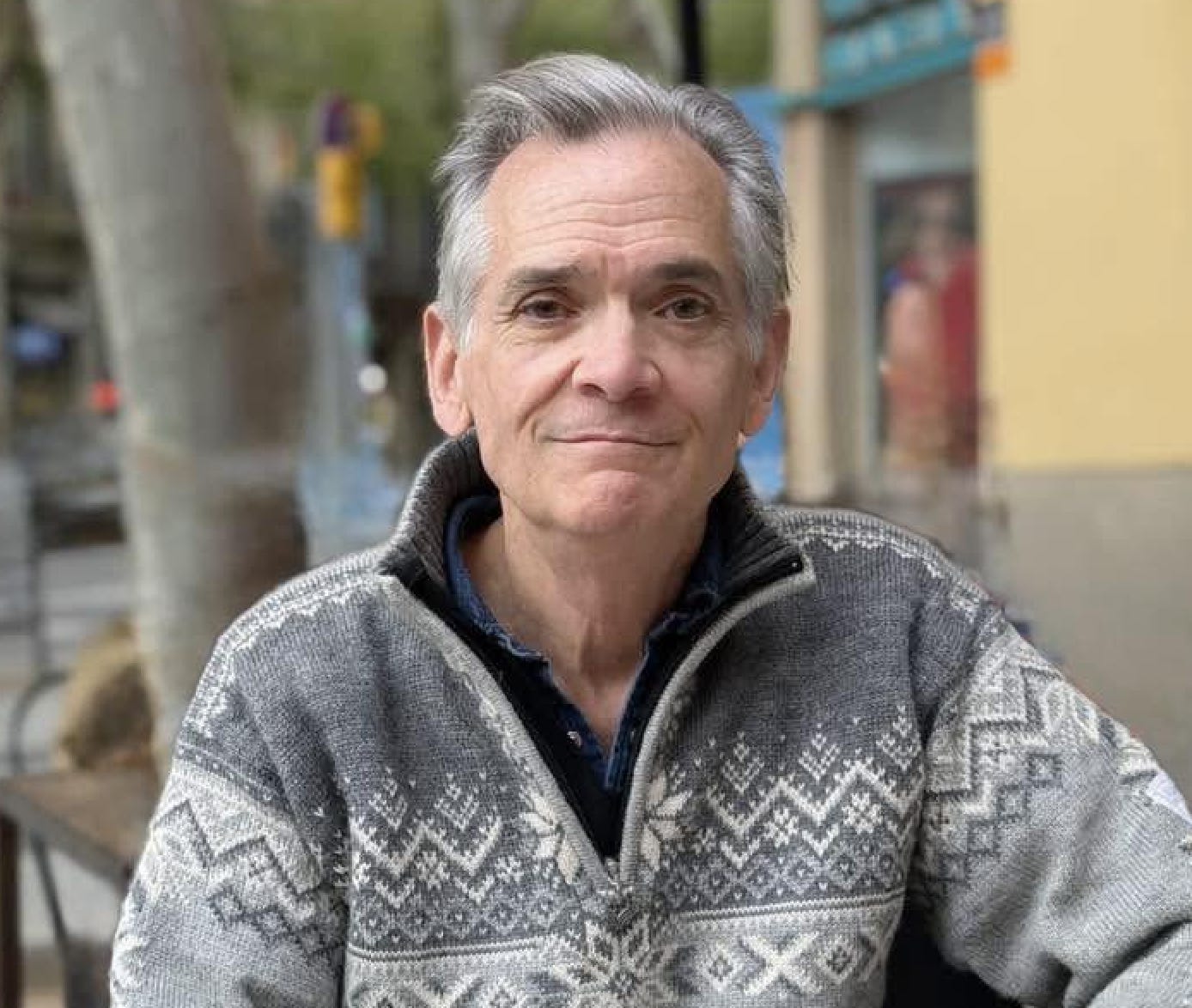
Hi, Caftaners! I’m a bit sleepy today so I’m going to jump right into this week’s Caftan chat, which is a wide-ranging doozy that went 3.5 hours. It’s with Sean Strub, perhaps best known as the founder of Poz, the groundbreaking magazine for people with HIV/AIDS, where I worked in the early 2000s right before he sold it. (I still write for it.)
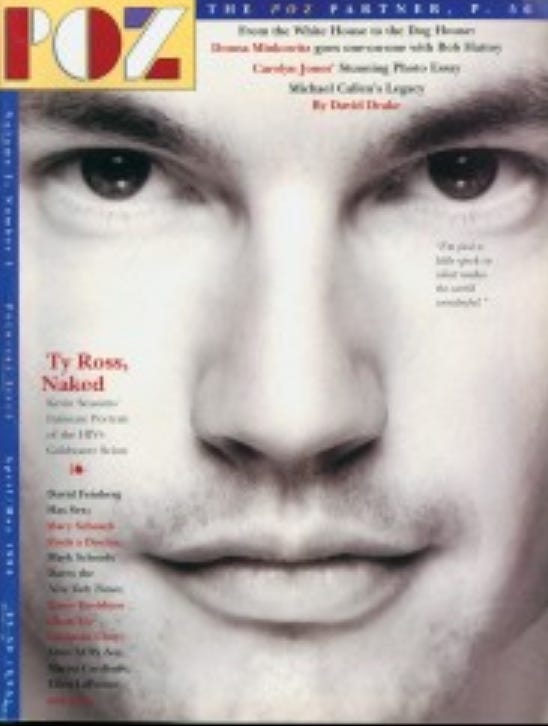
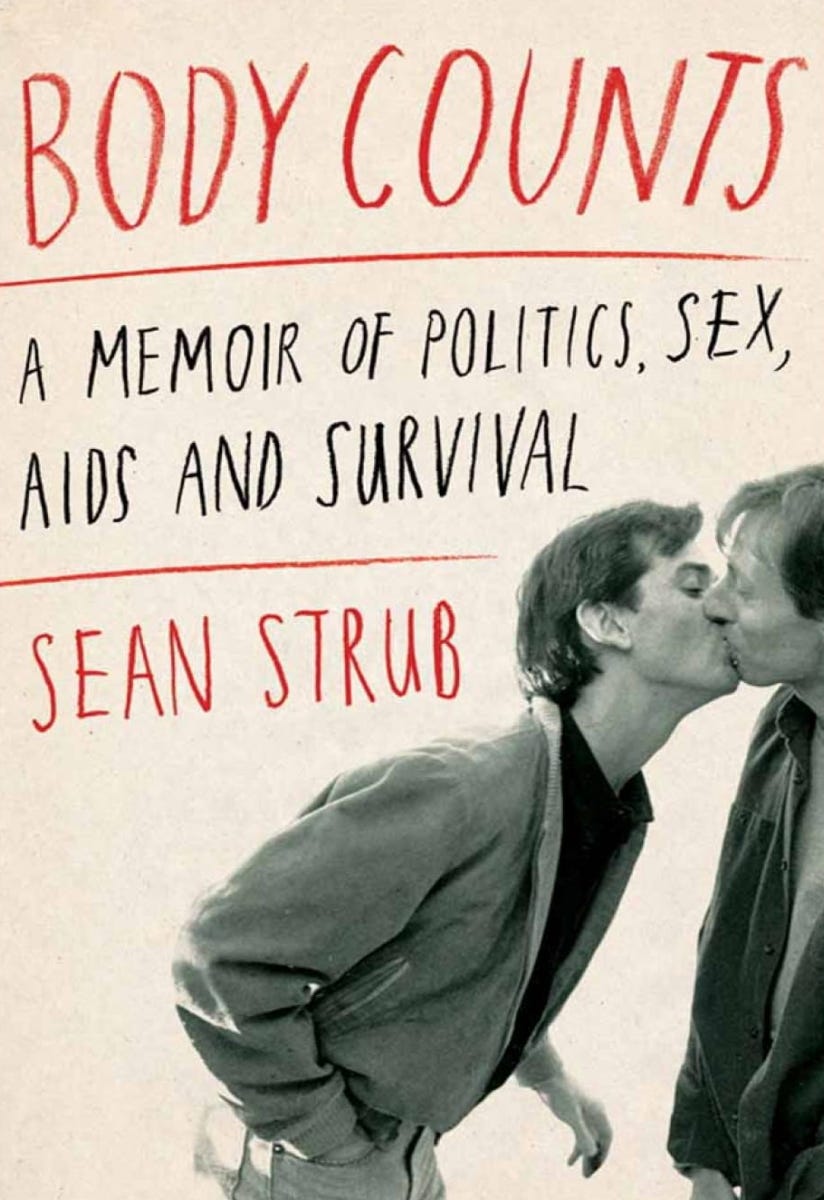
I also read his excellent memoir, Body Counts, when it came out more than a decade ago.
Hence, I went into this knowing Sean better than I do my most of my Caftan subjects, and admittedly having a lot to ask him. But Sean inevitably veers quickly away from the direct first-person into side stories about anyone and anything he’s mentioned. It’s a reflection of his lifelong, journalist-like curiosity and fascination with other people and things, and it’s also, as he somewhat admits, a protective reflex.
Perhaps more than anyone I’ve ever known, Sean has led such a wildly varied life. A Columbia University dropout (more on the dark story behind that in the interview), he went on to become a Democratic political operative, the first person to use direct-mail for LGBTQ causes in a major way, a full-blown AIDS patient, the founder and publisher of Poz, a post-cocktail AIDS survivor, the owner of a beautifully refurbished hotel in Milford, PA…
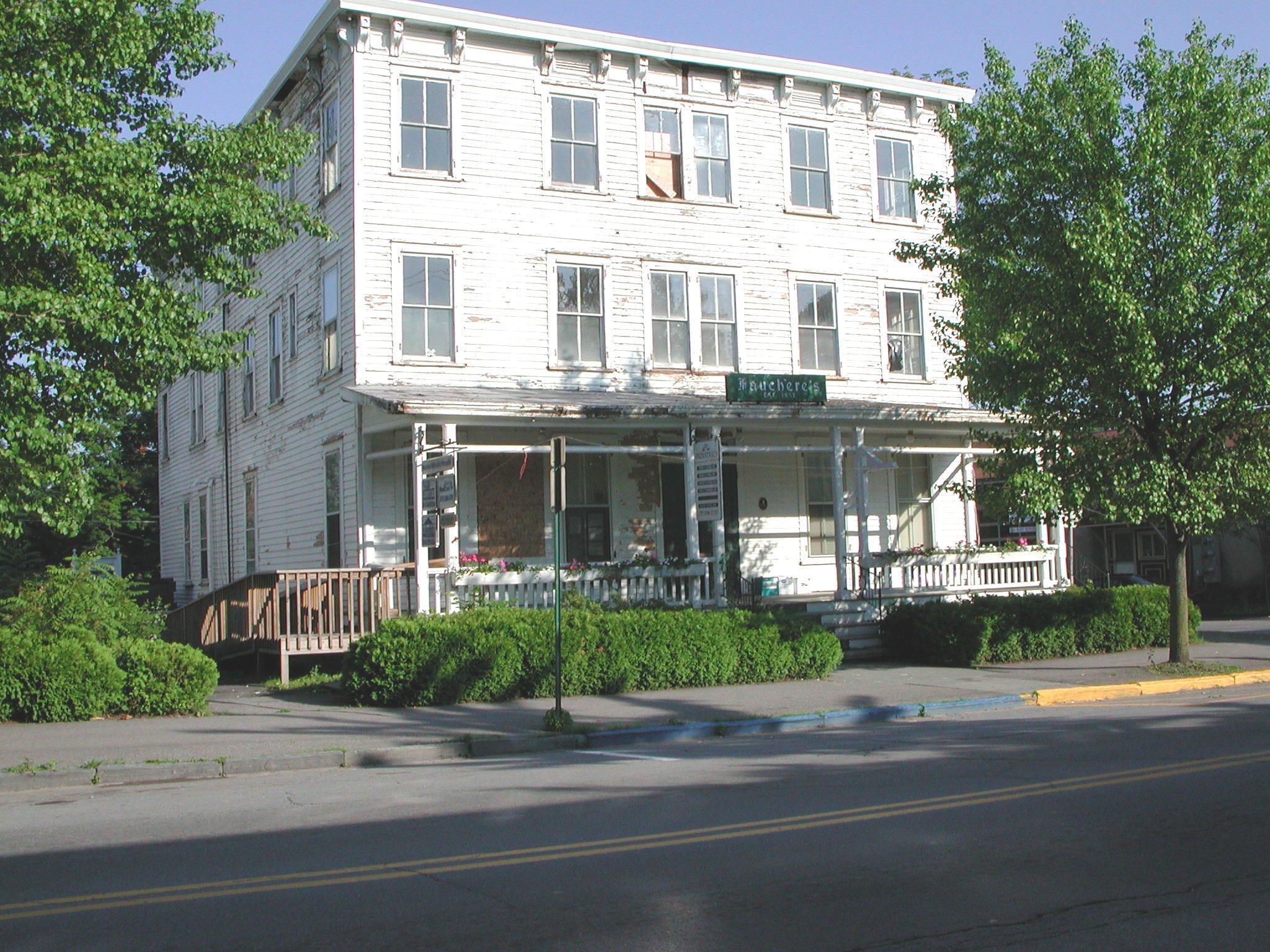
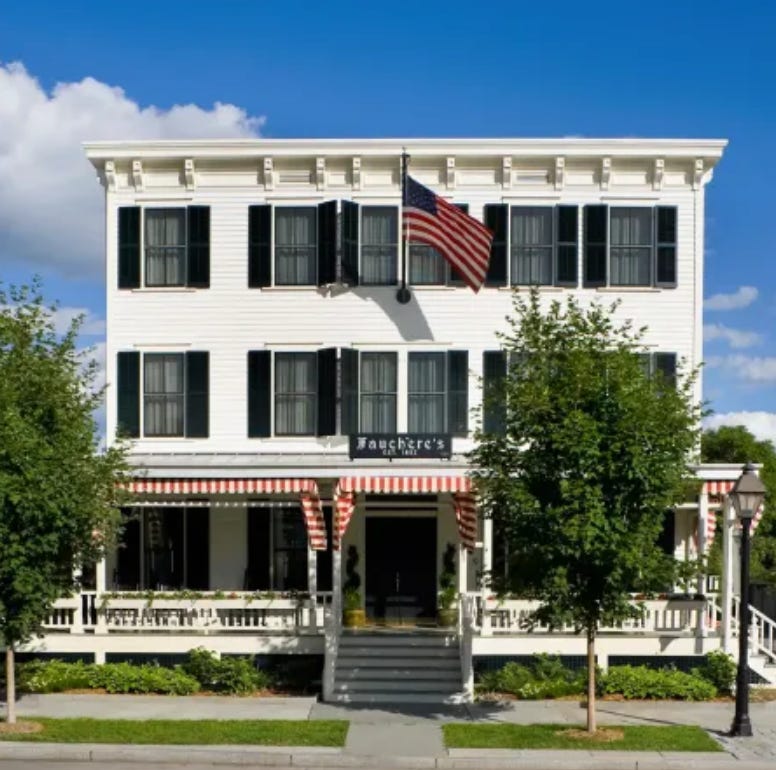
…the mayor of Milford,
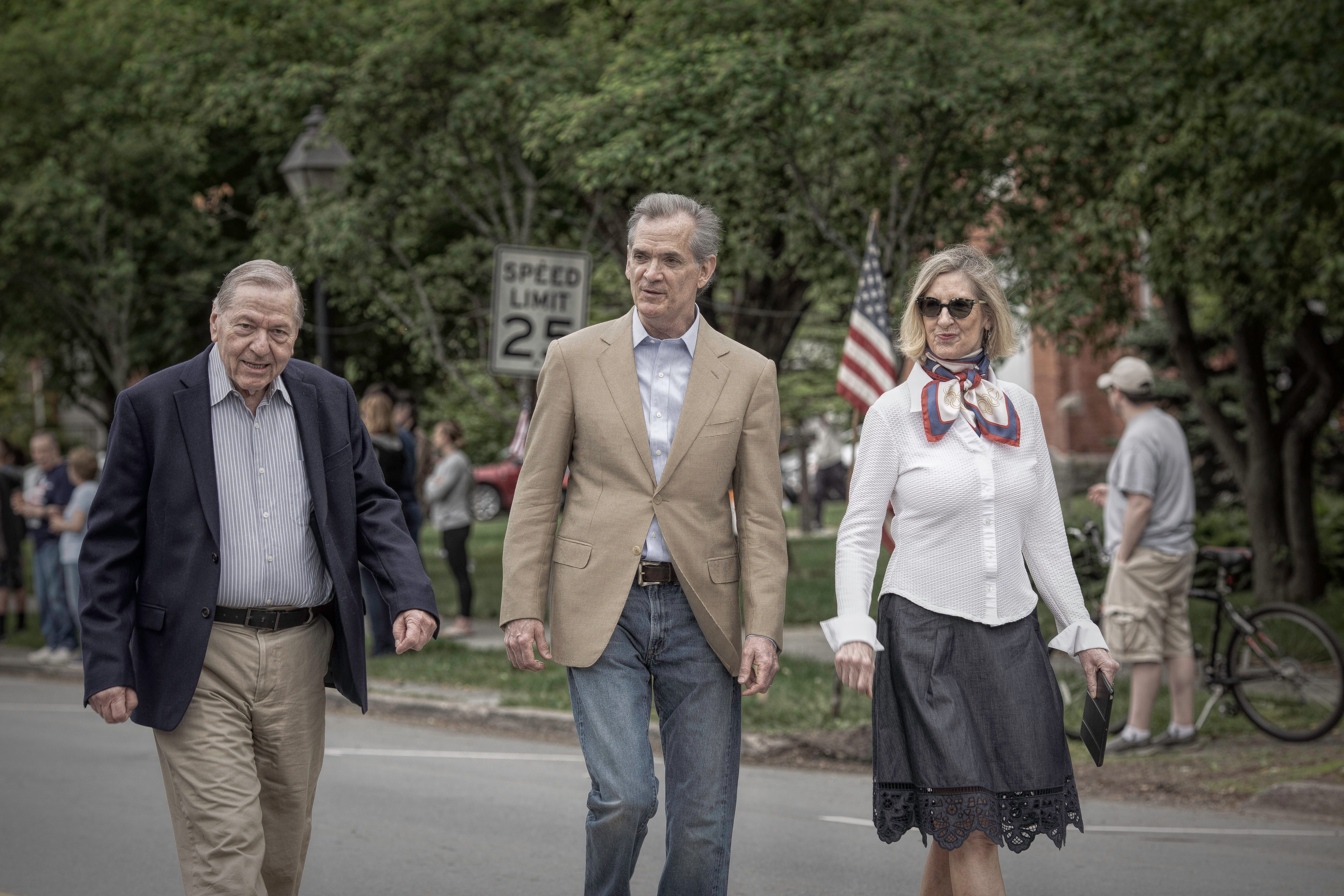
…a founder of Milford’s Readers and Writers Festival and the founder of SERO, a group that’s successfully helped to kill or soften outdated, discriminatory HIV criminalization laws in some states.
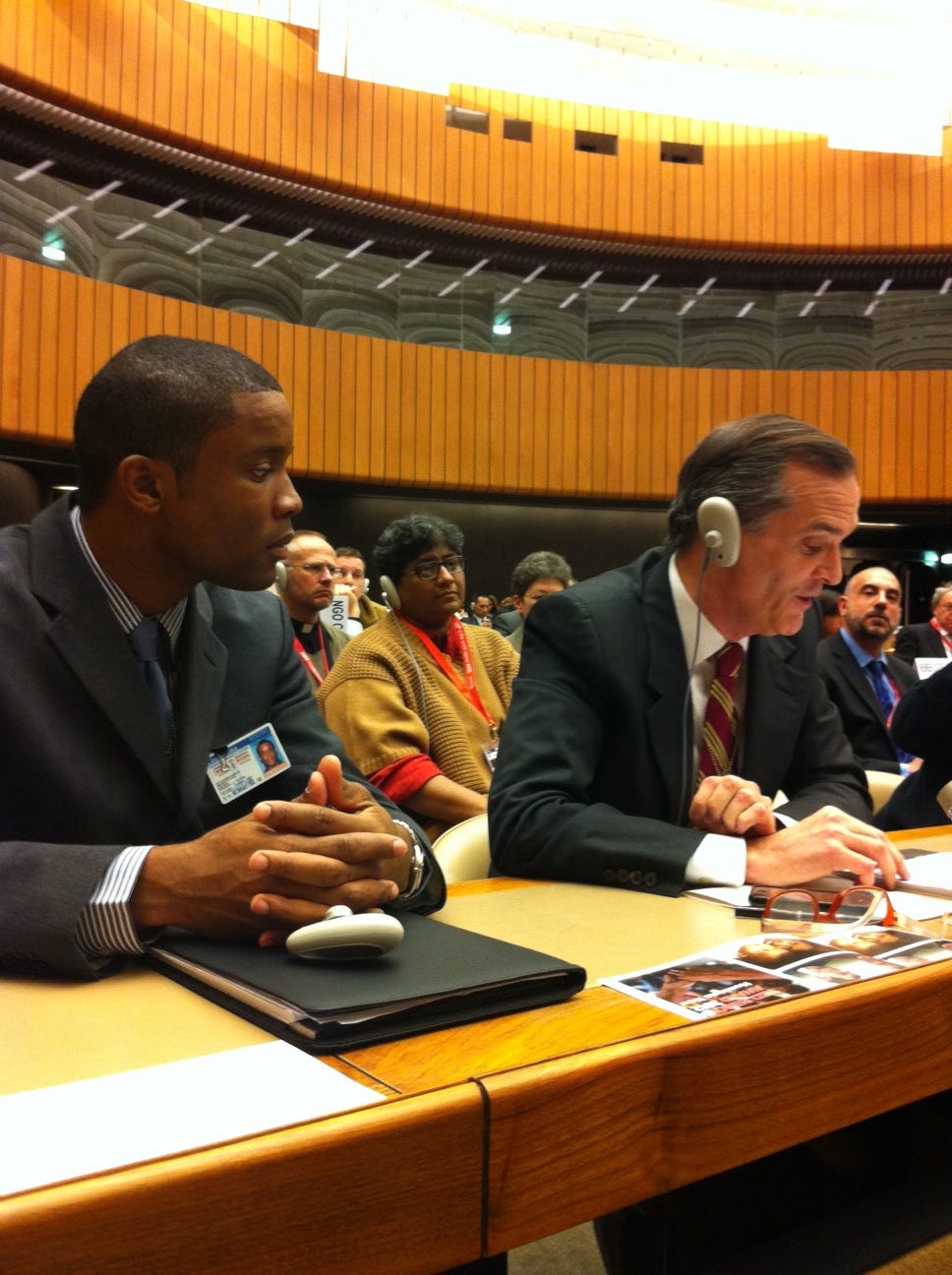
And I’m actually leaving a few things out just for space.
Sean also knows seemingly everyone and has often connected me to Caftan subjects. I hoped I’d get to him eventually, and that he would say yes. I’m so glad he did. He’s always been an example to me of how to live a life of service and purpose, and he’s had some Zelig moments—almost uncannily close to seismic events in history. (Wait until you hear who’s death he inadvertently witnessed.) Having let go of Poz, SERO, his hotel and his mayoralty, he’s living a somewhat quieter life now than ever before. That doesn’t mean he doesn’t have projects. I have a feeling he’ll have projects until his dying day. He’s just built that way.
So settle in for this great chat about a life with many twists and turns.
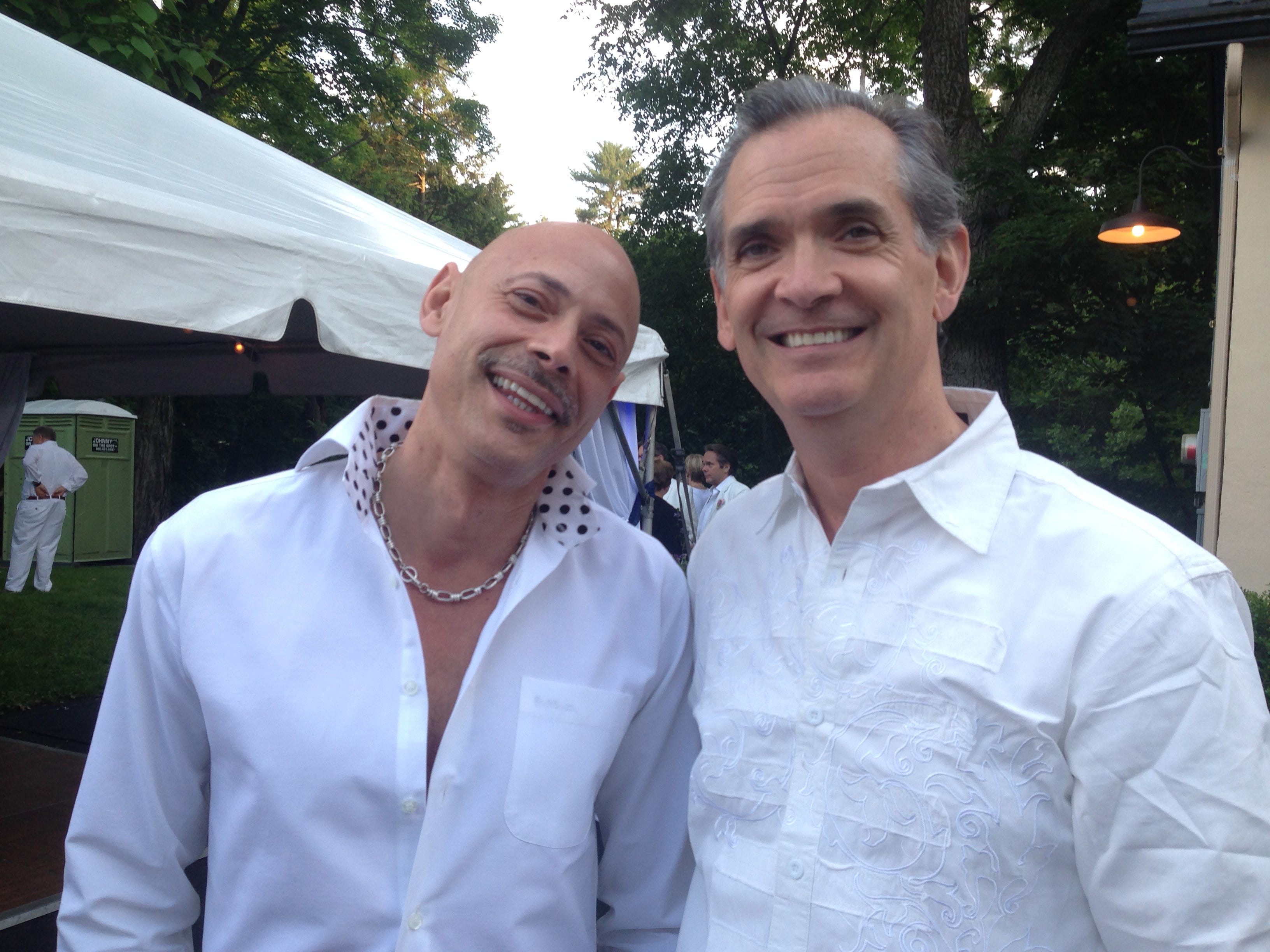
Sean, thanks for talking today. It’s been a while. How’s your life going?
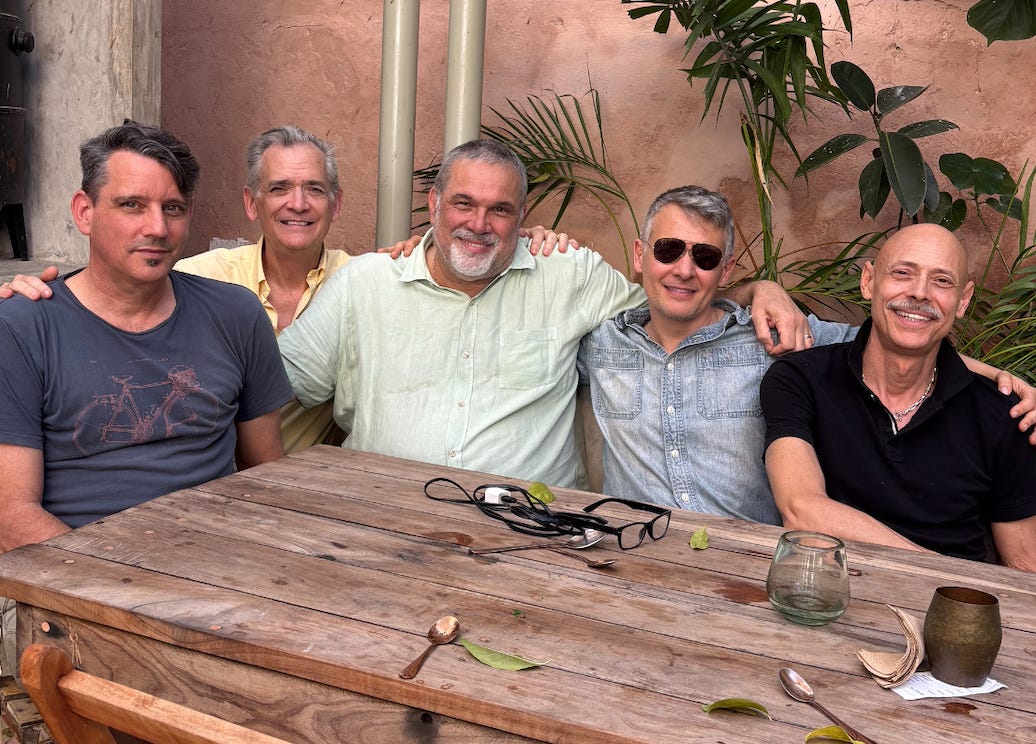
This is a reasonably decent time in my life. I’m doing interesting things. I sold the hotel, stepped down as mayor, am no longer running SERO. And we bought this house in Mérida, Mexico. I’m also the business manager for John Berendt [author of the bestselling nonfiction book Midnight in the Garden of Good and Evil], my longtime friend, who’s still writing at 86 and has the most unbelievable, upbeat positive attitude I can imagine.
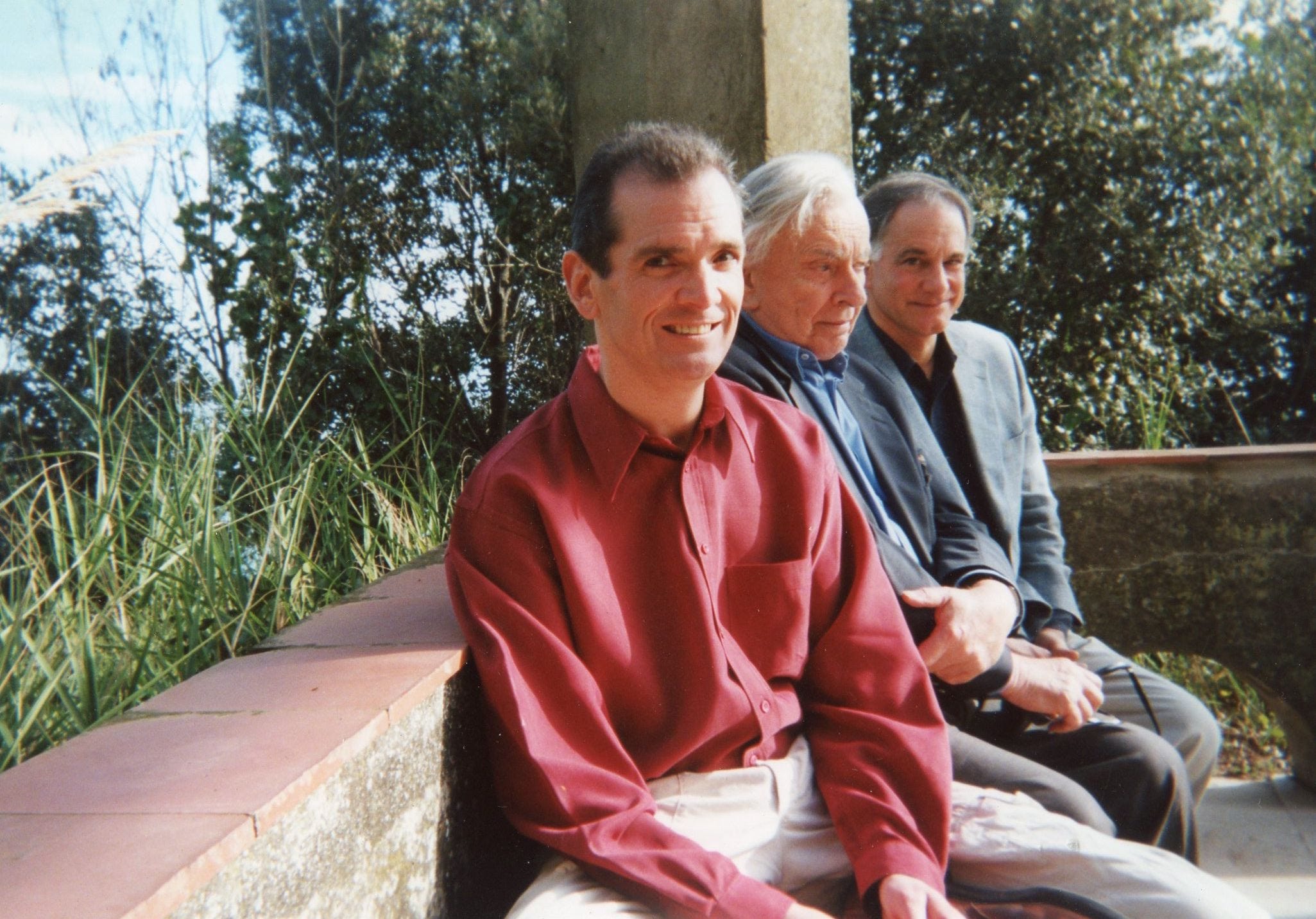
Half the year I live between Milford and Manhattan and half between Mexico and Manhattan.
Can we talk a bit about Javier [Morales, Sean’s partner of 34 years]? I’ve met him a few times and you bring him up all the time but I don’t know a lot about your relationship. When and how did you meet?
I had a partner named Michael Misove who died in December 1988. He’s the man I’m kissing on the front of some copies of my memoir.
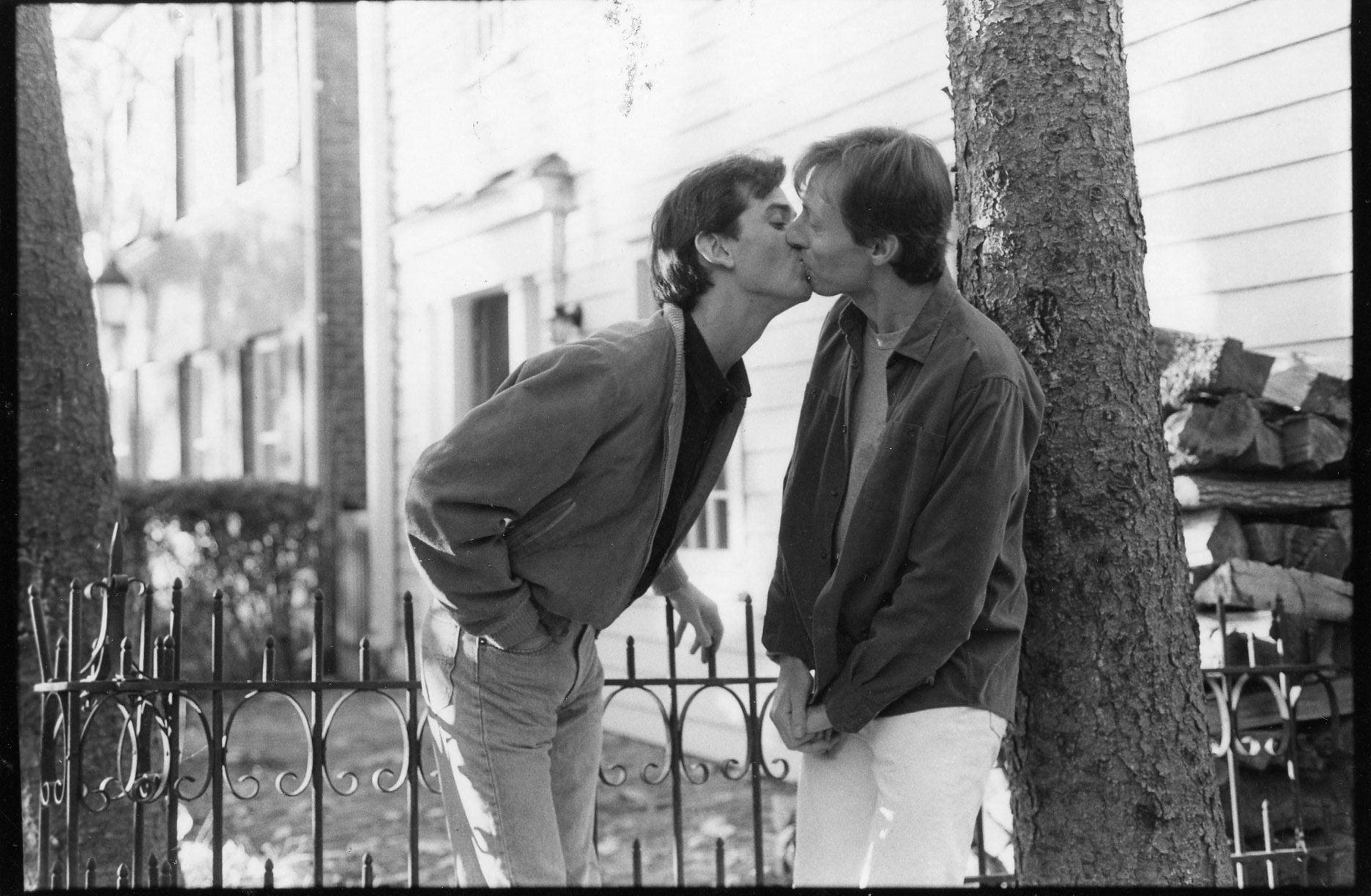
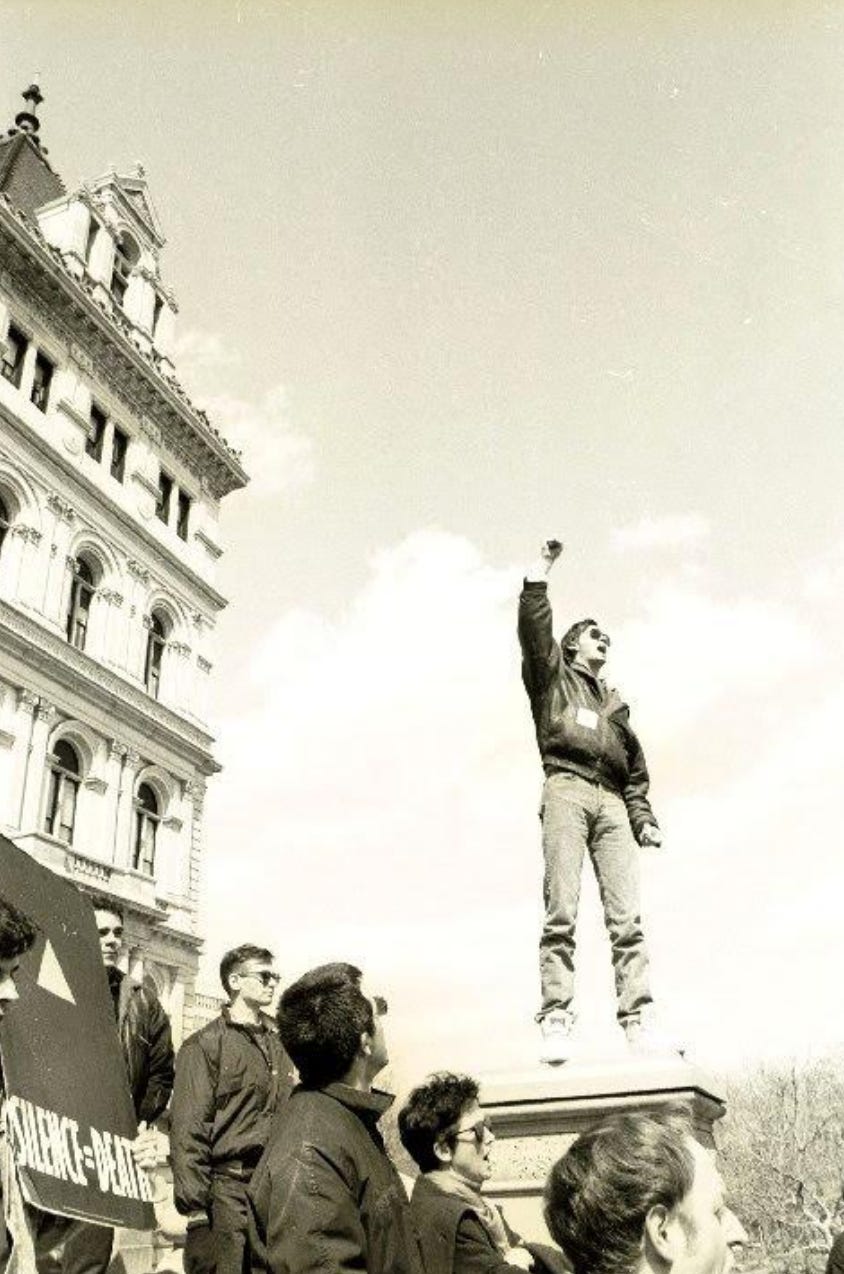
That photo was taken only a month before he died. When he did, I was devastated and went into a tailspin and threw myself into all sorts of things, including getting really involved in ACT UP, running for Congress, producing a play [“The Night Larry Kramer Kissed Me” by David Drake, whom I interviewed recently]…
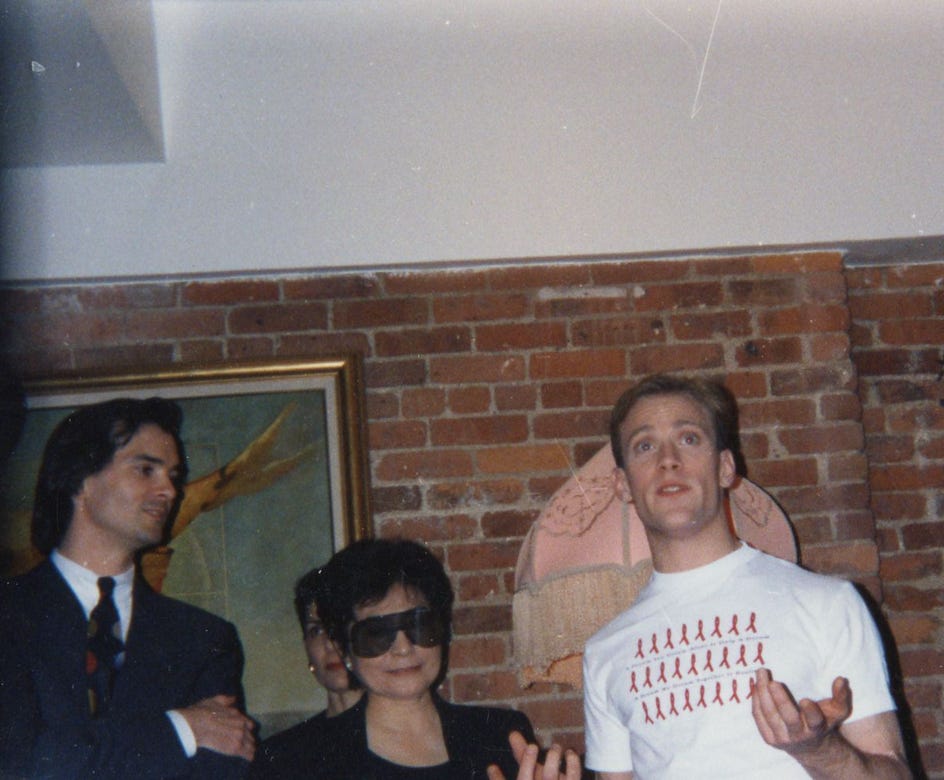
…and starting a magazine [Poz].
Is throwing yourself into all that activity how you dealt with the loss?
I’d always been an activist and involved in politics and AIDS stuff, but when Michael died, I had all this time on my hands—as well as anger and a real drive to try to effect change, and all those things I did were in the service of that. I dated a little bit after Michael but I didn’t really think I was going to find someone else. I actually felt like I was marking time until I got sick as well. But in September 1992, Javy and I met at The Lure. Or was it the Eagle? No, no! Was it—
The Spike?
No. Maybe Zone DK. Anyway, it was a bar. There was a copy of HX [magazine, the gay bar rag I wrote about a while back] on the bar with an ad for The Night Larry Kramer Kissed Me. I’m trying to be charming and impress him, so I ask, “Have you heard of this show?” And he said, “I didn’t like it.”
Haha! Oops. Describe Javy.
Five-ten, the most wonderful glowing almond skin and tight, curly hair. Beautiful brown eyes and a phenomenally symmetrical face that I thought was so beautiful.
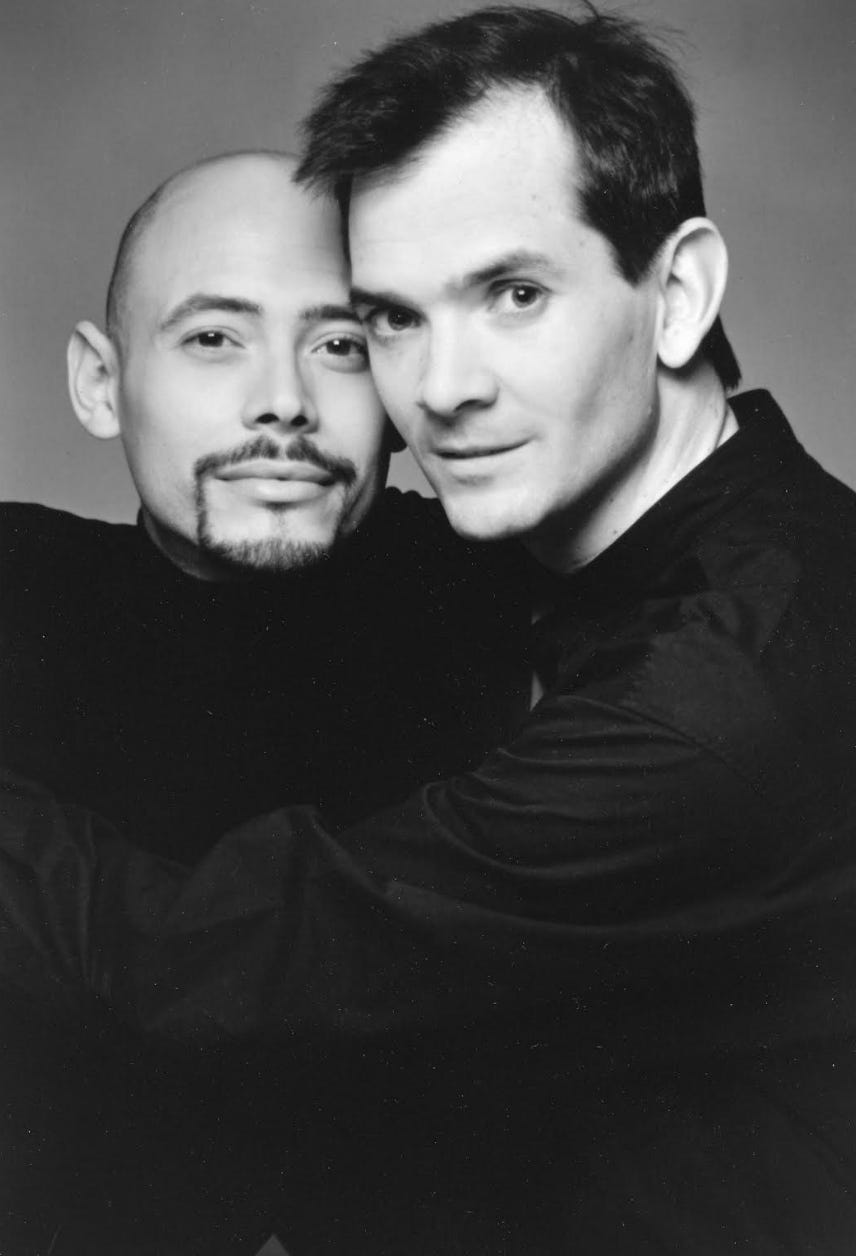
But more than anything else, his scent. I fell in love with it—the pheromones or something. He had a gorgeous smile. He seemed younger than he was, which I think was 29, while I was 34. He was living with his parents in Brooklyn, working in HR at Bloomingdale’s. So, yes, he said he didn’t like the play, but that his friend he’d gone with loved it. So I said, “Does your friend want a signed script? I have one in my loft.” And he smiled and said “Sure” and we went back to my loft on West 12th St, an old chandlery with high ceilings where they made ship sails. He stayed over. I put him in a cab at 1pm the next day on Seventh Avenue and I totally knew we were going to be together for a long time.
What was it about him that you fell in love with and has kept you in love all these years?
Um—his humility. His absolutely rock-solid soul and character and personality. He’s emotionally very stable. When I look at my several relationships in my life, that’s common across the board. I grew up with some degree of dysfunction and I’m really attracted to people who are utterly reliable and emotionally stable. It helps anchor me. They have to be more stable than I am! Javy also is just unbelievably sexy. I still marvel that he ever found any interest in me.
Sean, you were very good-looking. You still are.
A couple years ago, I was recovering in the hospital from heart surgery. Javy walked in with the respiratory therapist and she called Javy my son. I just cracked up laughing. This is what it’s come to? There’s only five years’ difference between us!
If you graphed the relationship over 34 years, what would it look like—the different ups and downs?
The first couple years were all excitement, the new, discovering each other’s lives, traveling. Then around 1993-4, I started getting sick at the same time we were starting Poz. The first issue was May 1994 and I was diagnosed with KS a few months later.
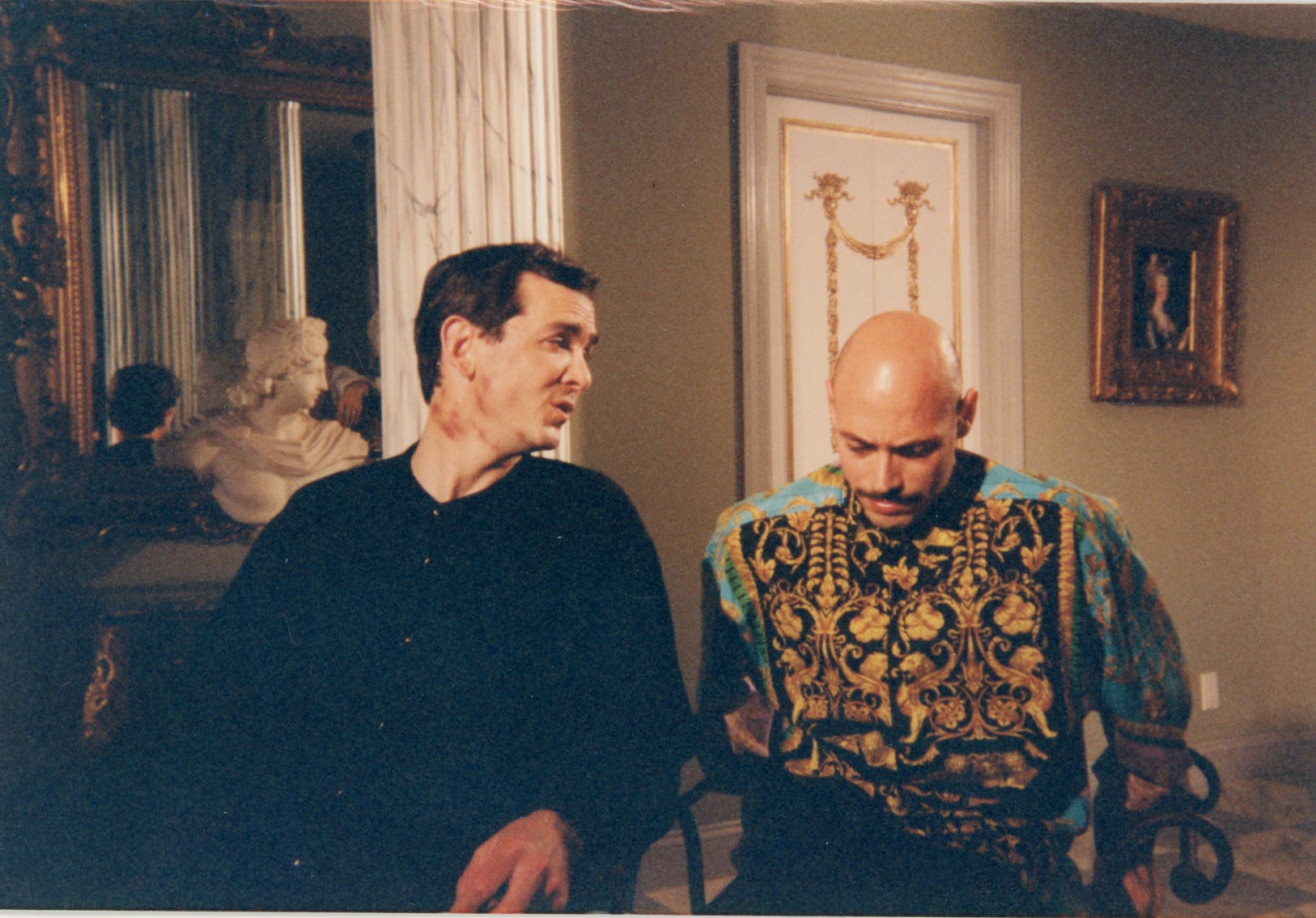
The phone number for Poz was the phone in the loft next to our bed. We’d frequently get calls in the middle of the night from someone frightened or worried, like a parent. We both took those calls all the time and did our best to help them.
Anyway, Javy left his job at Bloomingdale’s to take care of me and help with Poz. The background expectation for both of us was that I was going to die. And then I got better. I started the protease cocktail I think in January 1996. It was quickly apparent I was getting better. I felt like I was a bathtub that the virus was being drained out of. But we didn’t know how long it would last because there had been previous medications whose effectiveness was short-lived.
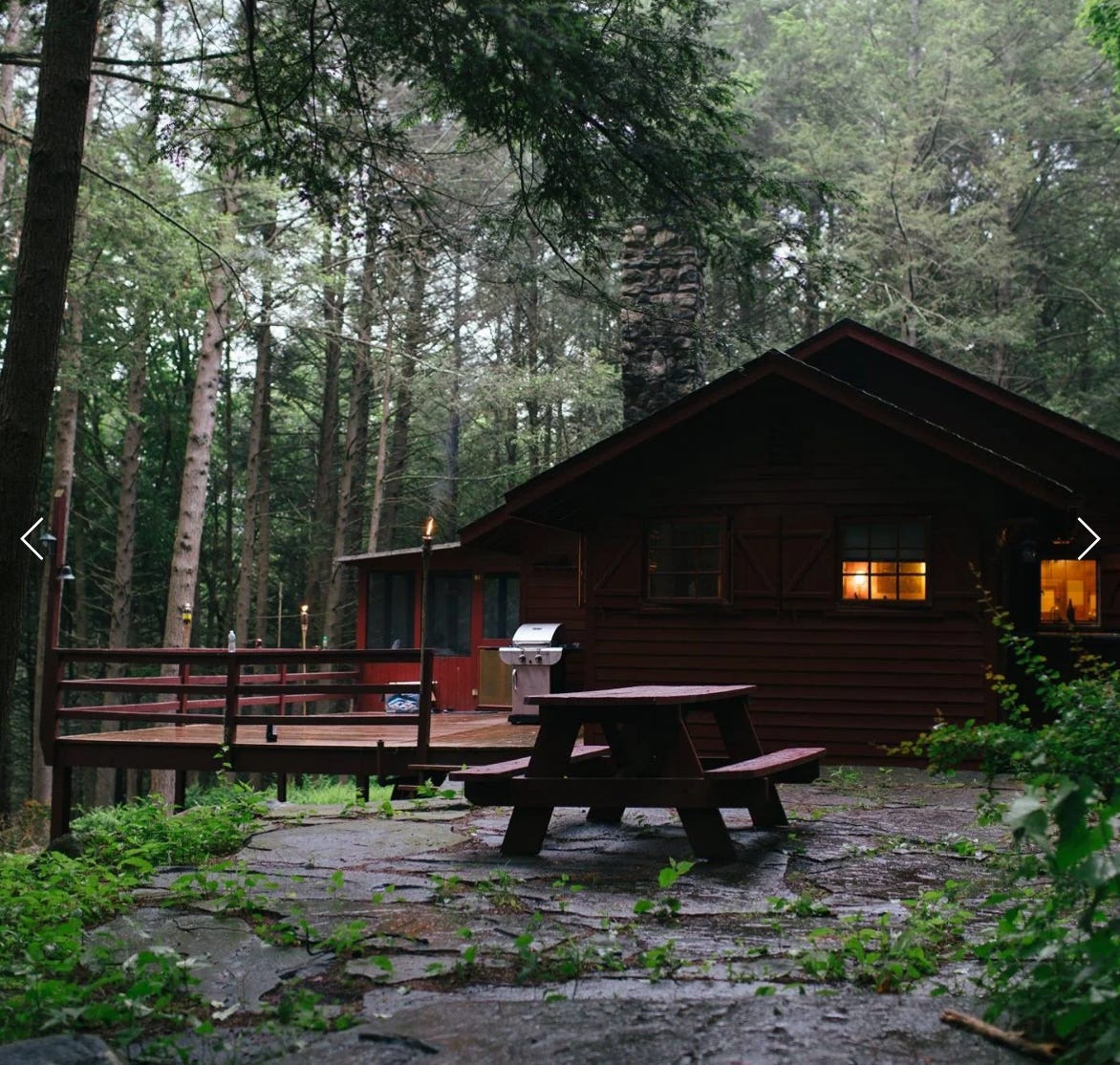
When I was sick, we sold my large house upstate on the Hudson and bought a smaller house nearby in Javier’s name, so he wouldn’t have to move once I was gone. But as I got better, it felt too small and close to the road. So then we found this old hunting camp outside of Milford, Pennsylvania, and bought that. I had this idea that, having survived, I was going to isolate myself and write. The house was a Nancy Drew/Hardy Boys knotty-pine fantasy from the 1930s. We started spending more time up here and out of NYC. We mainly lived there until the early 2000s.
So anyway, I’m better but he’s put his life on hold. He’d never sowed his wild oats. He moved from his parents’ home into mine. So we ended up splitting up for about four years. But we stayed in touch. He met a guy and moved to Brazil with him, then Denmark, where he ended up getting his MBA. Then he came back to NYC to find a job after the 2008 market crash, so I invited him to come back to Milford and move in with me, in a separate unit, until he found an apartment in NYC. The first morning, over breakfast, we talked about how neither of us had slept well that night, so from that night on, we were in the same bed again—and back together. And we have been ever since.
That’s a great story. Are you guys monogamous?
We don’t have a specific agreement or negotiation but we never lie to each other or do anything that would hurt the other person. We hold those two values as very important in our relationship.
So there’s room for openness there as long as you handle it properly?
I’m saying that we’ve been together a long time and the relationship has morphed, but neither one of us sits around worrying about what the other might be doing when we’re not together. We don’t go around waving a flag that says, “We’re monogamous—pat us on the head.” It’s just about respect, love and being truthful.
What would you say your relationship with Javier has brought you?
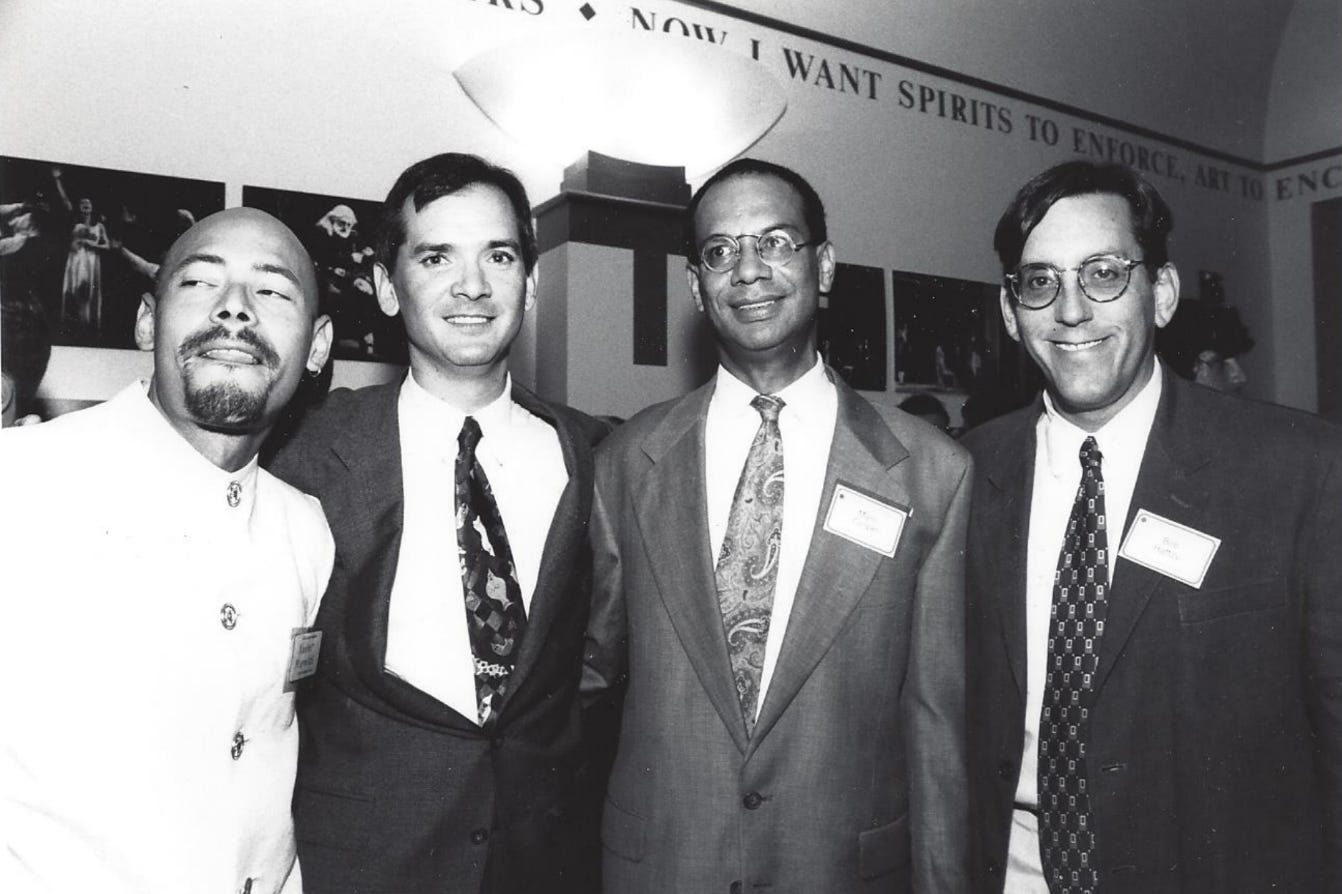
A solid, reliable core on the home front. When I have some sort of personal defeat, he’s always supportive. As he is of my activism. He also understands the role he has played in making that possible for me, even if he doesn’t need for other people to understand it. He’s done his own thing, too. He worked at Poz in all sorts of capacities, including as the associate publisher of Poz en Espanol with Gonzalo Aburto, his very good friend. And he was designing men’s clubwear—these wonderful pleated Roman skirts.
Talk to me a little about Mérida, where your house is.
It’s a city of about a million people with a bustling economy. When you drive around, you see where all those American jobs went. It’s one business park after another with all sorts of manufacturing. It’s also extremely safe. In North America, only Quebec City ranks higher. It’s not on the U.S. border and it’s not on a major highway route. Even the central historic district, which is huge, doesn’t have high-rises. It’s very laid-back.
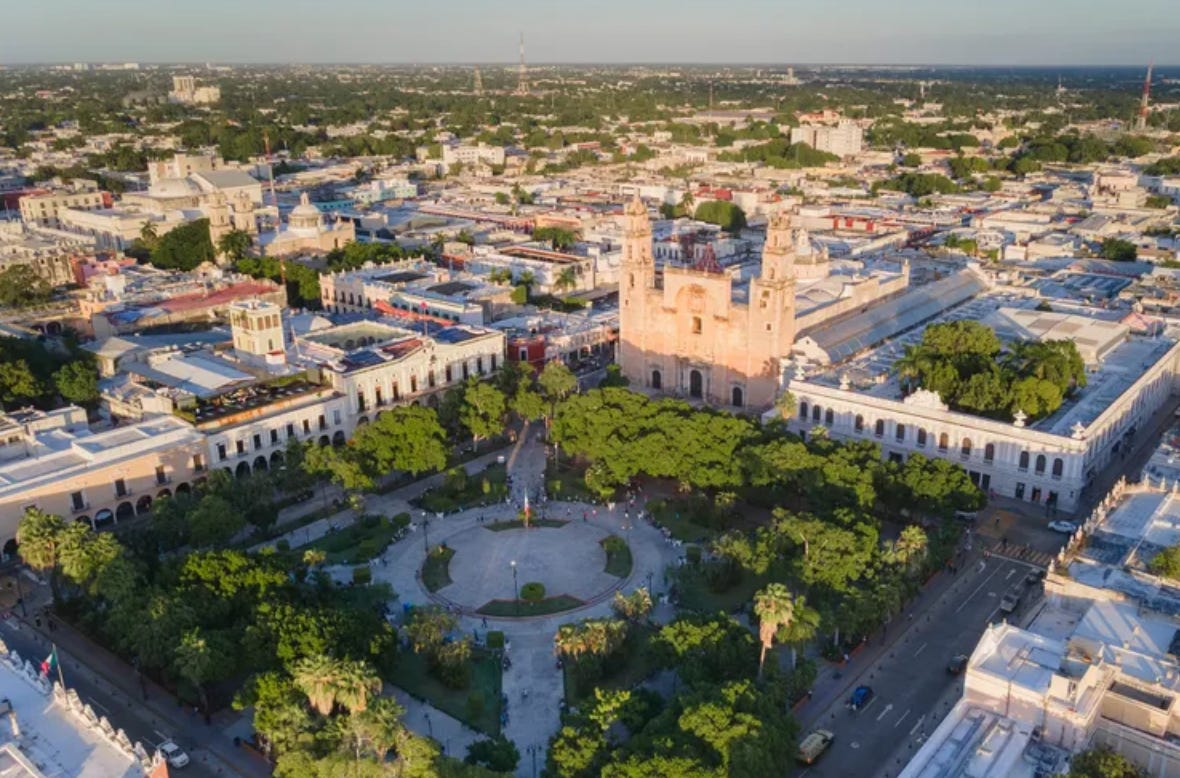
And it has an incredibly vibrant arts scene. Not expensive and precious like San Miguel de Allende, but a huge number of galleries with both local and expat artists. It also has a great culinary scene—not the Mexican food most people are familiar with. It’s a Yucatecan cuisine that uses different spices. There are dozens of fantastic restaurants. It’s great for people who don’t want to go to a resort city like Cancun or Puerto Vallarta, but to a real city that’s beautiful with some grit. It’s also very gay—mostly middle-age American and Canadian men. And a fair number of gay men who grew up in Mexico but had their career in the U.S.
Describe a typical day up in Milford, PA. You’re there as we talk, right?
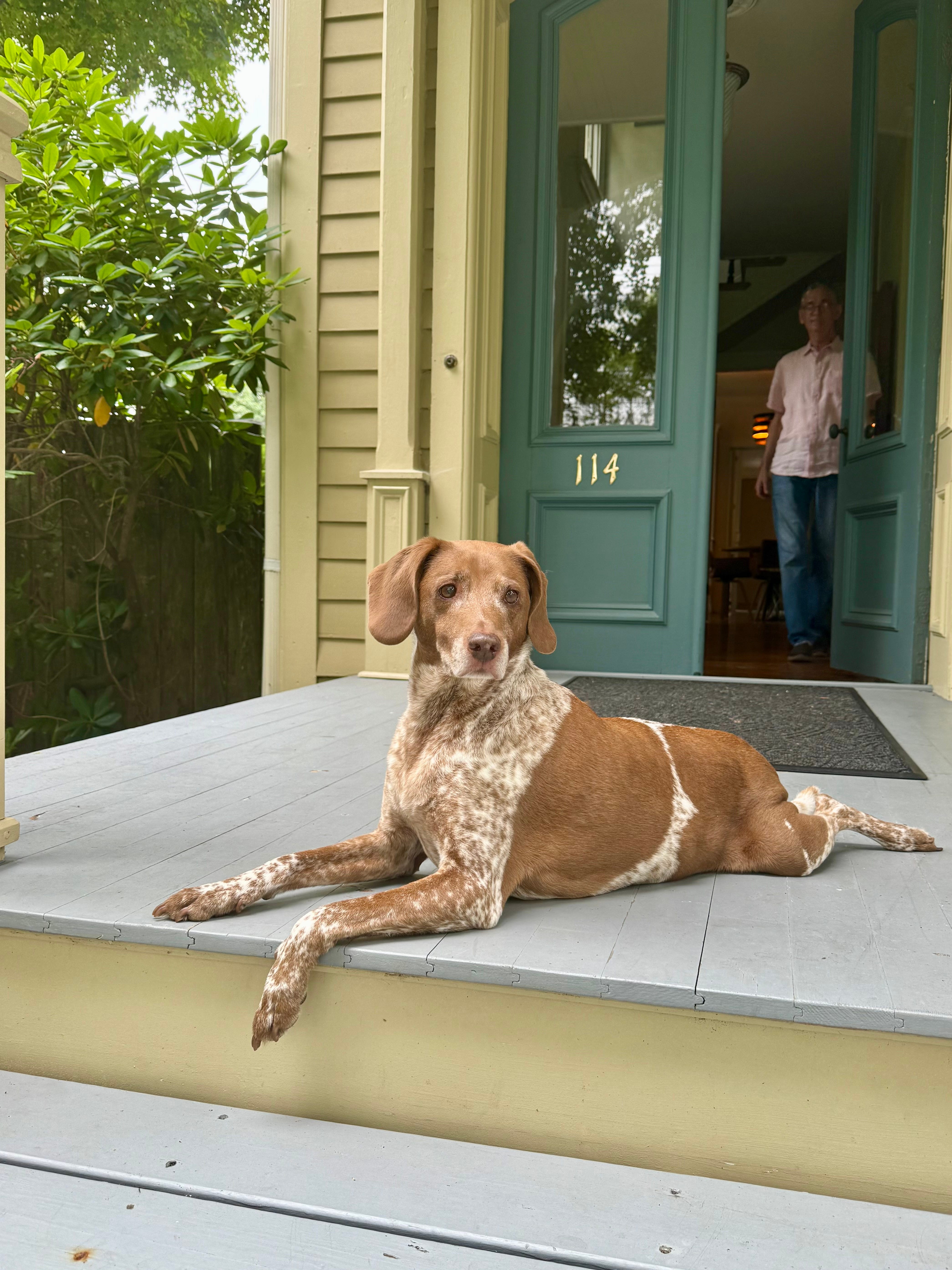
I am, with my dog, Alfie, at my feet. He’s mostly a German short-haired pointer. He’s going to be 13 next month.
I generally get up around 7:30 or 8. Javi is religious about his meals and cooks breakfast every day. Then usually I go to work at my laptop on different things. I have John Berendt’s business affairs to deal with, including that [Berendt’s nonfiction bestseller] Midnight in the Garden of Good and Evil is being made into both a musical and a graphic novel. I’ve also been working on a project with Cleve Jones [whom I interviewed last year]. When Trump last year said they weren’t going to recognize World AIDS Day, Cleve called me, dispirited. We talked about how we’d spent our whole lives building something we were watching getting dismantled right in front of us.
So Cleve and I decided we needed to plan something around this coming June 5, which will be the 45th anniversary of the first official CDC article that, in 1981, identified the syndrome in gay men that would come to be known as AIDS. Then we talked to others. And it’s leading to 7daysinjune.org, a series of actions in local communities including town hall meetings, candidate forums and rallies. Then nationwide at Friday June 5 on sunset, there’ll be a candlelight vigil for those who’ve died of AIDS as well as those who’ve died from these Trump cuts already, including globally, and who will continue to die if we don’t get this reversed.
It’s all to bring awareness and media attention to the $1 trillion in health care cuts, including Medicaid, that were passed last year—that people won’t feel the pain of until next year. The second objective is that June kicks off the midterms primary season—and our only hope for this democracy is taking back Congress this November, with a big mandate, to hold candidates to account on healthcare. Let’s take healthcare out of partisan politics. We’ve gotten the endorsements of SEIU, the largest union in the country, National Nurses United, American Federation of Teachers, the AFL-CIO. Also the American Public Health Association and Defend Public Health.
There are so many initiatives like this going on nationwide, from Indivisible to No Kings to…on and on. Do you think yours will really gain traction?
I know they will. It’s already clear it’s going to be a big deal. It’ll be uneven, but it’s more important anyway in some places than others in terms of affecting the midterms.
You lived through the eighties, which queer people characterized at the time, mainly because of AIDS, as a profoundly cruel and hostile era under Reagan and the first Bush. How would you compare that period to the one we’re in now—the Trump era?
They seem very different to me. In the eighties, yes, you felt the Moral Majority and you knew they hated us—but it wasn’t the dominant, defining thing. And even as the presidential administration was fine with letting us die, you had an incredibly vibrant grassroots community. The epidemic was bringing tens of thousands of new activists and donors into the existing LGBT community—all the community centers and organizations growing explosively. A whole generation of gay men were getting forced out of the closet by the epidemic, and many of them put their talents and resources to use for the community.
Also, Reagan’s administration had some evil outcomes, but Reagan didn’t seem personally to be evil. He was like the genial uncle—maybe clueless on certain things but basically a decent human being. And I don’t think that’s the case with Trump. The guy doesn’t have friends or hobbies or any appreciation for art. Hitler famously loved dogs, was a painter and for a time wanted to be a Catholic priest. Not that these things are redemptive, but they showed some other aspect to his personality. I don’t see that in Trump. The one time I thought I saw a glimpse of humanity in him was at the 2016 RNC where he was on stage with Barron, who was fidgeting, and Trump put his hands on his shoulders a bit to calm him down. To me, that was one little glimpse of a human being. But beyond that—
I think he’s a reptilian sociopath with zero empathy for anyone.
I do, too. Also, in the Reagan years, the possibility of extinction via climate change was not present, nor was the threat to democracy. Now our democracy is hanging on by its fingernails.
Do you think something happened in the U.S. between the eighties and now that sharpened our appetite as a country for callousness and cruelty? How can so many people like Trump?
I think the role of money in politics and out-of-control corporate greed has reduced all sorts of policymaking to the efficiencies of running a business—the bottom line. Also, our government let 700,000 people die from AIDS, including people who disproportionately were creative and loving and kind. Slice that out of society and you’re going to pay a price for it.
That’s interesting. Like the past 30 years, we’ve missed a sector of the population that would’ve—
Mitigated cruelty to some extent.
Right. So let’s move on. You’re so good at characterizing other people. Try to peel a layer off for me and be a little vulnerable. What were you like as a kid? And your family?
One of the criticisms of my memoir was that people couldn’t feel what I was feeling. Like I was writing it from a distance.
Do you agree?
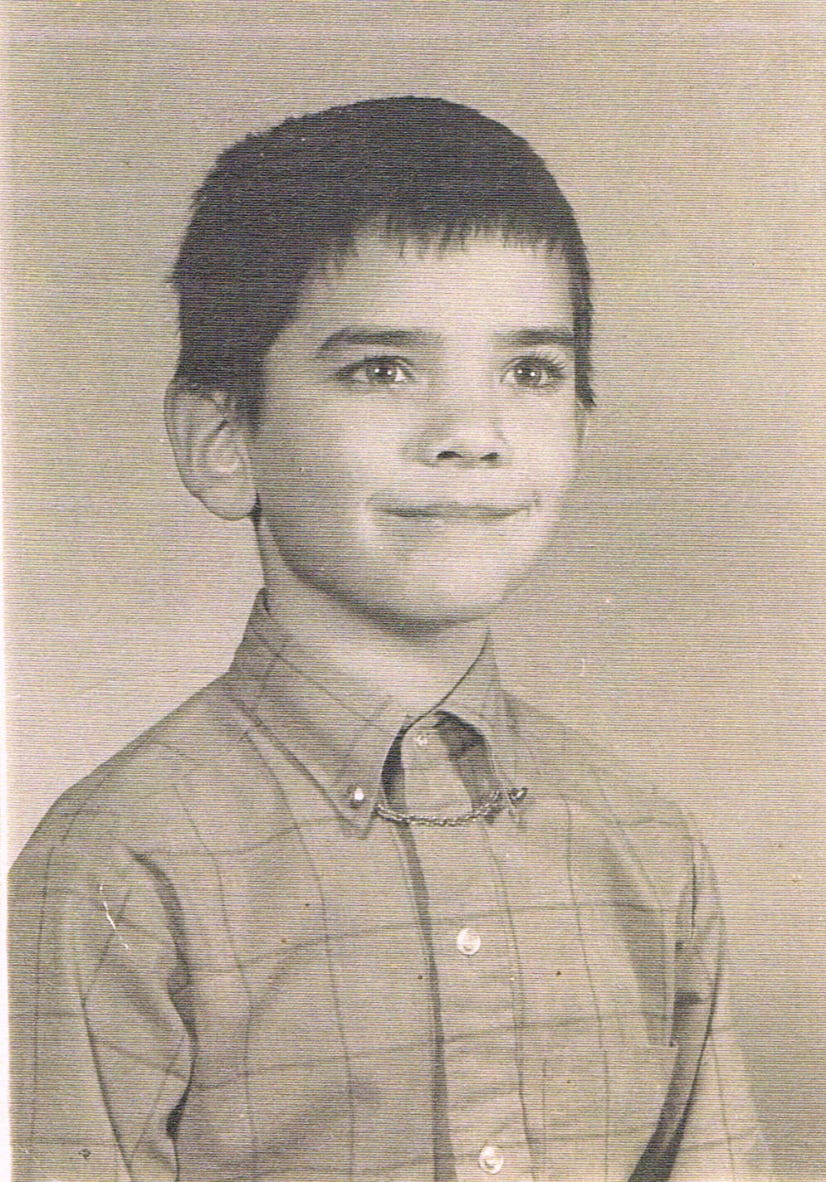
Kind of, when I go back and look at it. I don’t know—maybe. I’m certainly still wrestling with childhood traumas in a way I didn’t expect to still be in my sixties.
I feel like I am, too. I think it’s a very American idea that the role of therapy is supposed to help us “get past” and “conquer” stuff. I’m not sure it really works that way. I think it’s more about integrating it—if you’re talking about abuse of any sort in childhood. That’s such a formative time in your life that you can never completely erase it. You can look at it, acknowledge it and integrate it. Does that make sense?
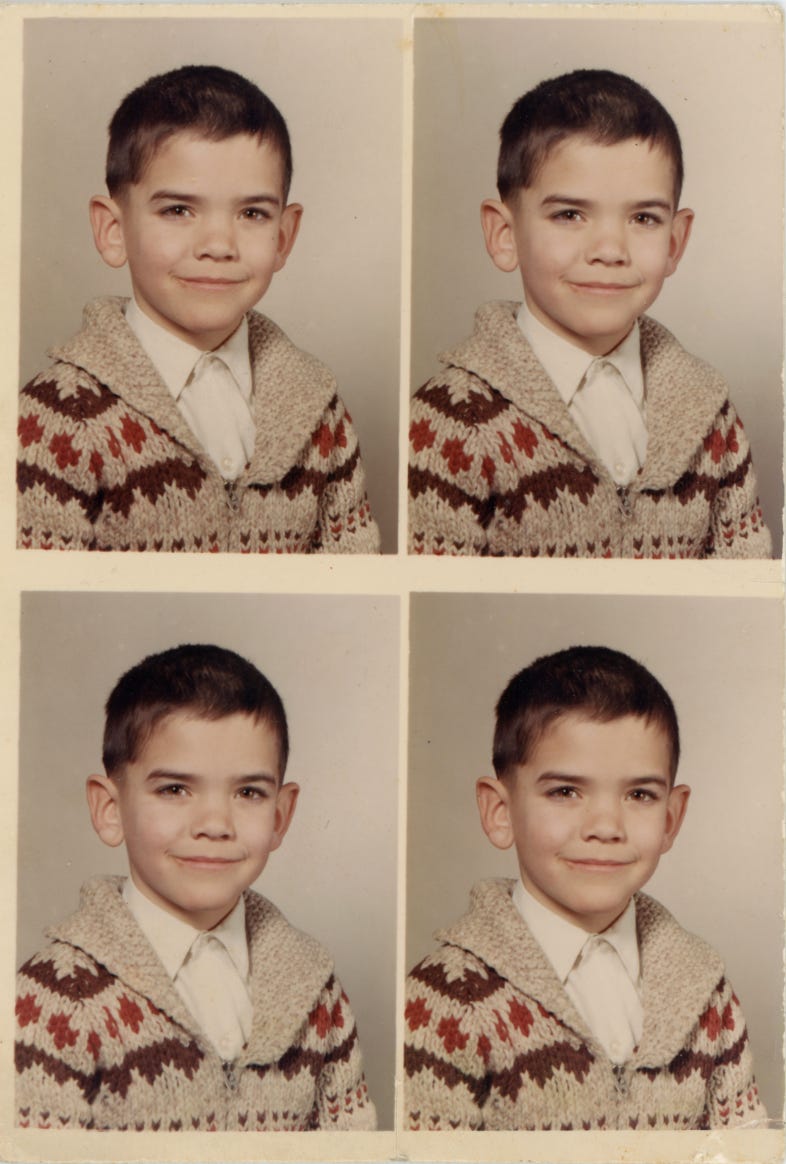
Yes. I’ve never really gone to therapy. Just a couple sessions. Anyway, I grew up as the third of six kids—very Catholic family. My three sisters’ first name are all Mary, because of my father’s devotion to the Virgin. My parents are both from Iowa. My father ran a family business, a department store that became a propane gas and appliance business. I grew up in Iowa City, a university town, so I was exposed to a lot. In the seventies, the women’s movement was huge. That’s the lens through which my political consciousness was formed—feminism.
I was a small kid—almost the shortest in my high school class. I hit puberty late. I didn’t masturbate to ejaculation until after my 16th birthday.
Why?
I think it was because I sublimated my sexuality. I was so terrified of what I was feeling, that I slowed down the process.
Do you remember your first gay feelings?
In a locker room in seventh or eight grade—that’s a vivid memory. But prior, in elementary school, I had a pronounced lisp and went to speech therapy classes, which were one step removed from special ed. A little tiny room, like a closet. I’d have to repeat “Sally sells seashells by the seashore…” And the speech pathologist said to me constantly: “You don’t want to sound like a girl.” I also remember a gym teacher making fun of me for standing like a girl. So I was getting all these messages that the worst thing in the world was to be a girl. And I was also called “fag” and “queer.” If someone yelled “Smear the queer!”, that was my signal to go back inside.
That’s what I mean—abuse at such a young age, you never fully deprogram it, even if you process it and put some distance there. That stuff gets packed in very deep. But when you mentioned childhood dysfunction earlier, what did you mean?
Sure. My mom died 13 years ago but my dad is still alive at 94 and we are closer than ever. But my mom was orphaned as a two-year-old and grew up with nobody who was a parental figure. Often she was treated as a servant, so that influenced her model of parenting. There’s a history of alcoholism and mental health challenges in my family. My parents just were not that engaged. Occasionally we’d have dinner as a family but mostly it felt to me like we were just living under the same roof. My parents didn’t really have traditional family models.