
Charles LaPointe Has Made Thousands of Wigs for Broadway's Biggest Stars
When he fitted LaChanze with her Celie wig for the original Broadway production of "The Color Purple," they both cried because they knew they'd captured the character's essence.

Hi Caftaners! I hope this finds you all well. As you may have (or hopefully did not!) notice, my Caftans are a bit more spaced out than they’ve been in recent months because I’m also working a fulltime editing gig for my alum mag. BUT! I have this terrific interview for you and also this week I logged another with someone very special and sweet who’s a name you’re very likely familiar with if you’ve spent any time on the gay resort circuit, which comes with its robust share of stage acts. I first saw this—well, quite frankly—genius at what they do in Ptown in the mid 1990s. And we share a great love of a certain long-gone icon. You’ll see!
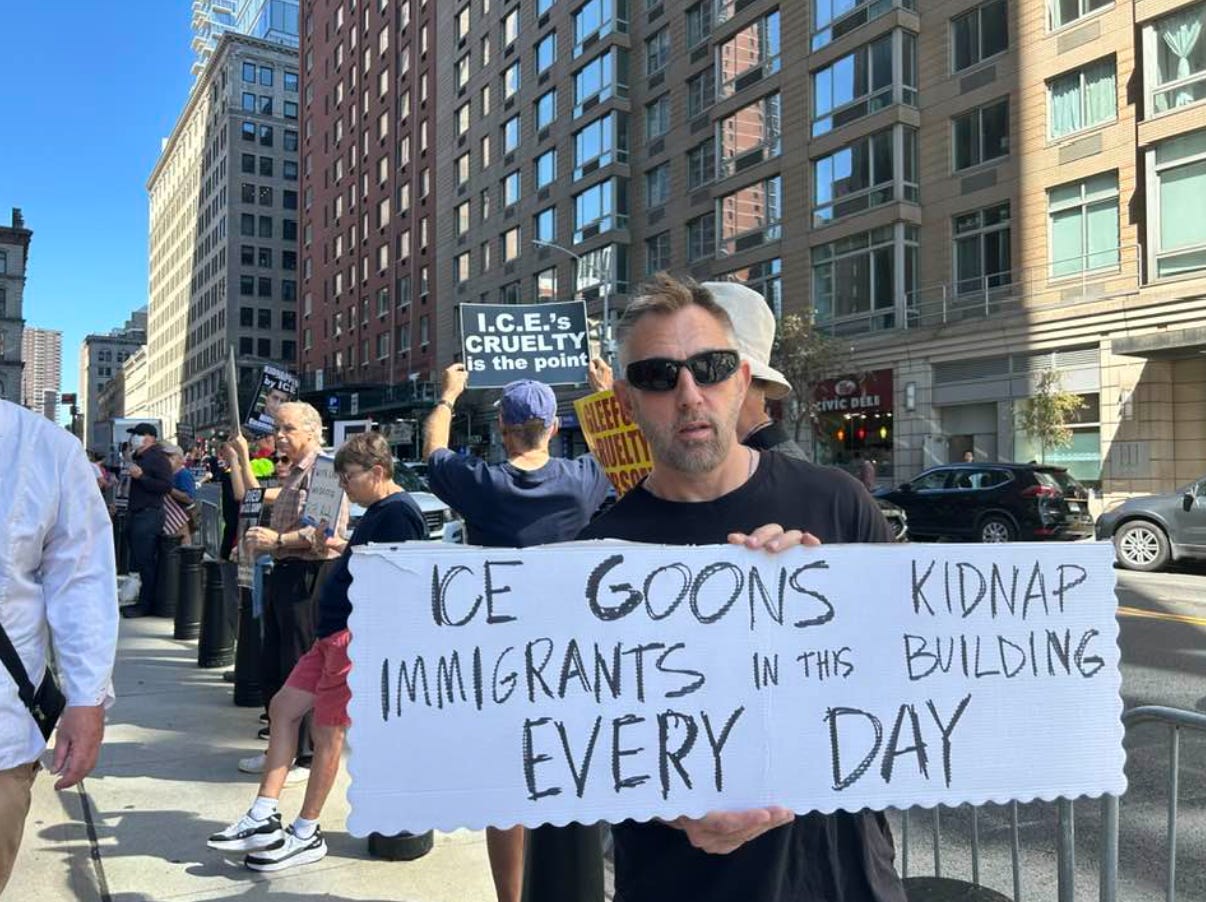
I’ve not been talking politics here as much as I was earlier in the year because, well, I’m exhausted and I’ve kind of realized that this nightmare isn’t going to end or probably even dim anytime soon—at least not until the midterms. But that doesn’t mean I’ve checked out. I’m still court watching a few times a month and showing up as much as work allows for a weekly silent protest here in NYC, organized by the intrepid protest group Rise and Resist, on Thursdays noon-1pm in front of 26 Federal Plaza, where ICE goons daily kidnap immigrants showing up as they were told to for immigration court hearings. There is something grimly satisfying about forming a nonviolent, eerily silent gauntlet that the building workers have to walk through on their way in and out of the building. My heart warms when we get an approving nod or a thumbs-up or a “thank you.” Little signs of resistance amid the fear of retribution that so many feel these days.
Also, the next big nationwide No Kings day of protest is October 18, so find out here the location of the protest nearest you. And tell people about it! Post that link if you’re on the socials!
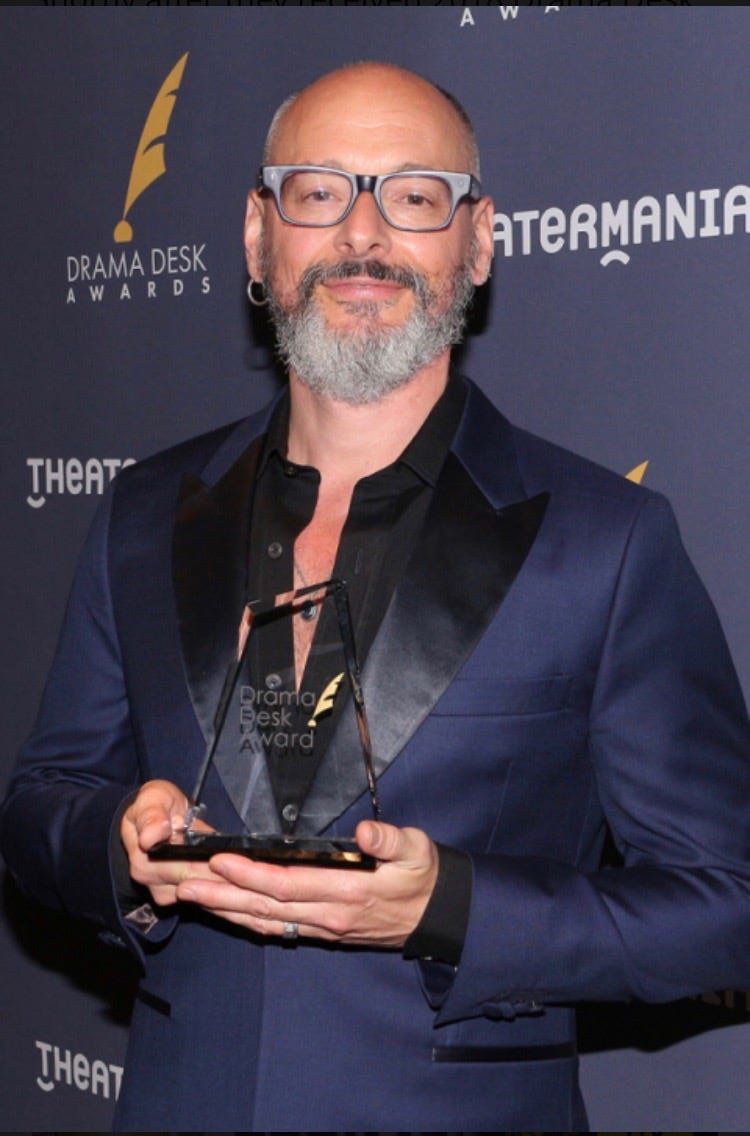
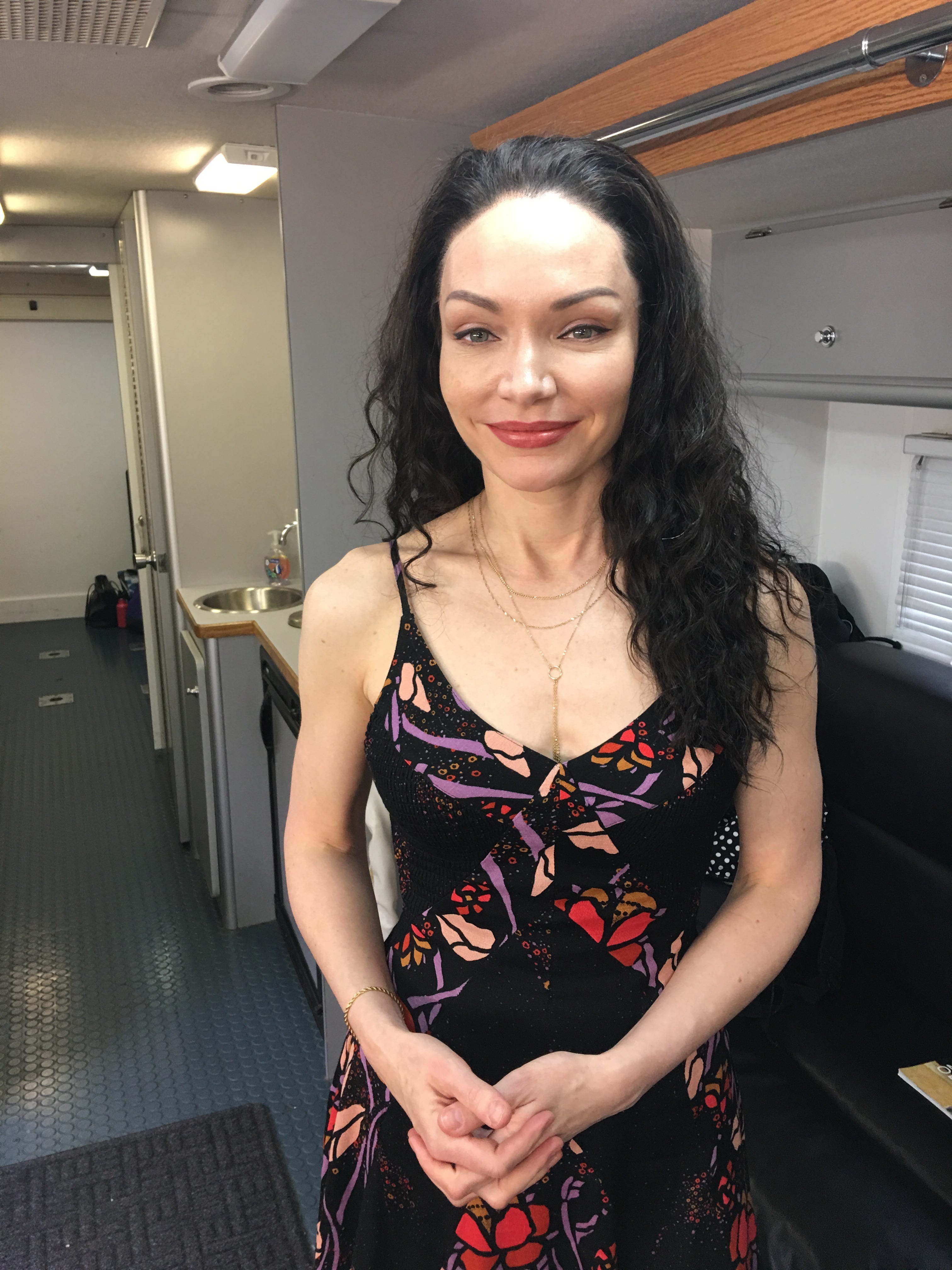
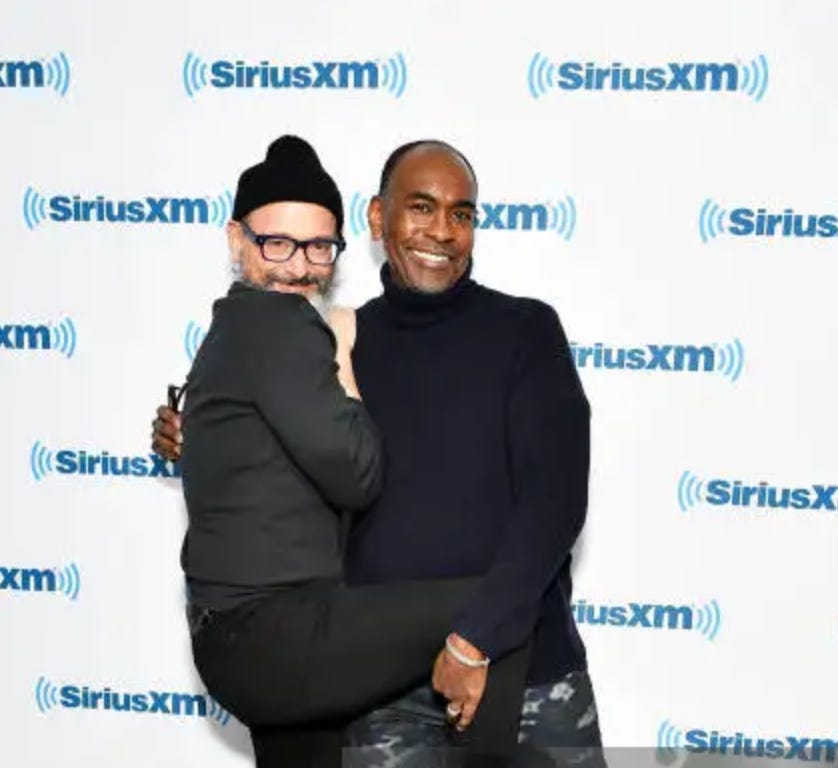
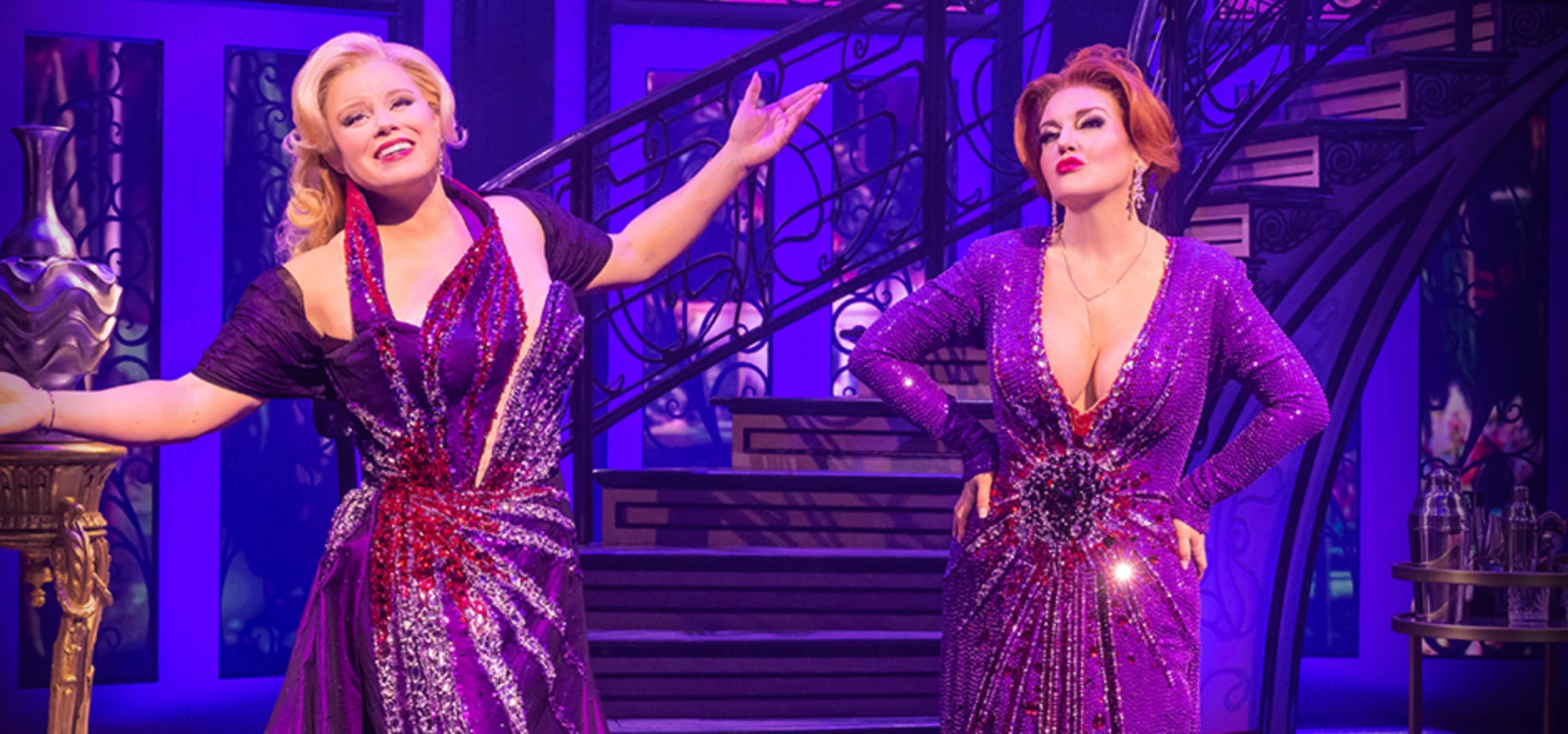
Okay, so this week’s interview is with a friend who, as you can see, is a sexy daddy (and a Masshole like me) but also an insanely talented gentleman and MAYBE the most celebrated and prolific wig designer and maker in Broadway history. It’s Charles LaPointe, 58, who has done the wigs for BIG shows including Jersey Boys, Hamilton, The Color Purple (both the LaChanze original in 2005 and the Cynthia Erivo revival in 2015), Death Becomes Her and MJ (the Michael Jackson jukebox musical). And also for a lot of other B’way musicals and straight plays.
This interview was really fascinating to me because, as you’ll soon learn, before it I knew next to nothing about how wigs are designed and made, and now I know what an insanely painstaking and delicate process it is. (Such as, I learned that when you make a “hand tied” wig, every single strand of hair is, well hand-tied onto a transparent cap that is custom-fitted to the actor’s scalp. INSANE!)
But I also loved this interview because it’s about a gay man’s journey to not only discover but to really OWN his calling in life. And it illuminates a tiny piece of the preposterous amount of creativity and meticulous, highly skilled and often back-breaking work, on the part of hundreds of people, that goes into creating Broadway magic.
And now for my usual pitch: If you’re a free subscriber to Caftan and continue to like it, please consider becoming a paid subscriber for $5/month. The more paid subscribers I get, the more time I can devote to these interviews, which I absolutely love to do but are also labor intensive.
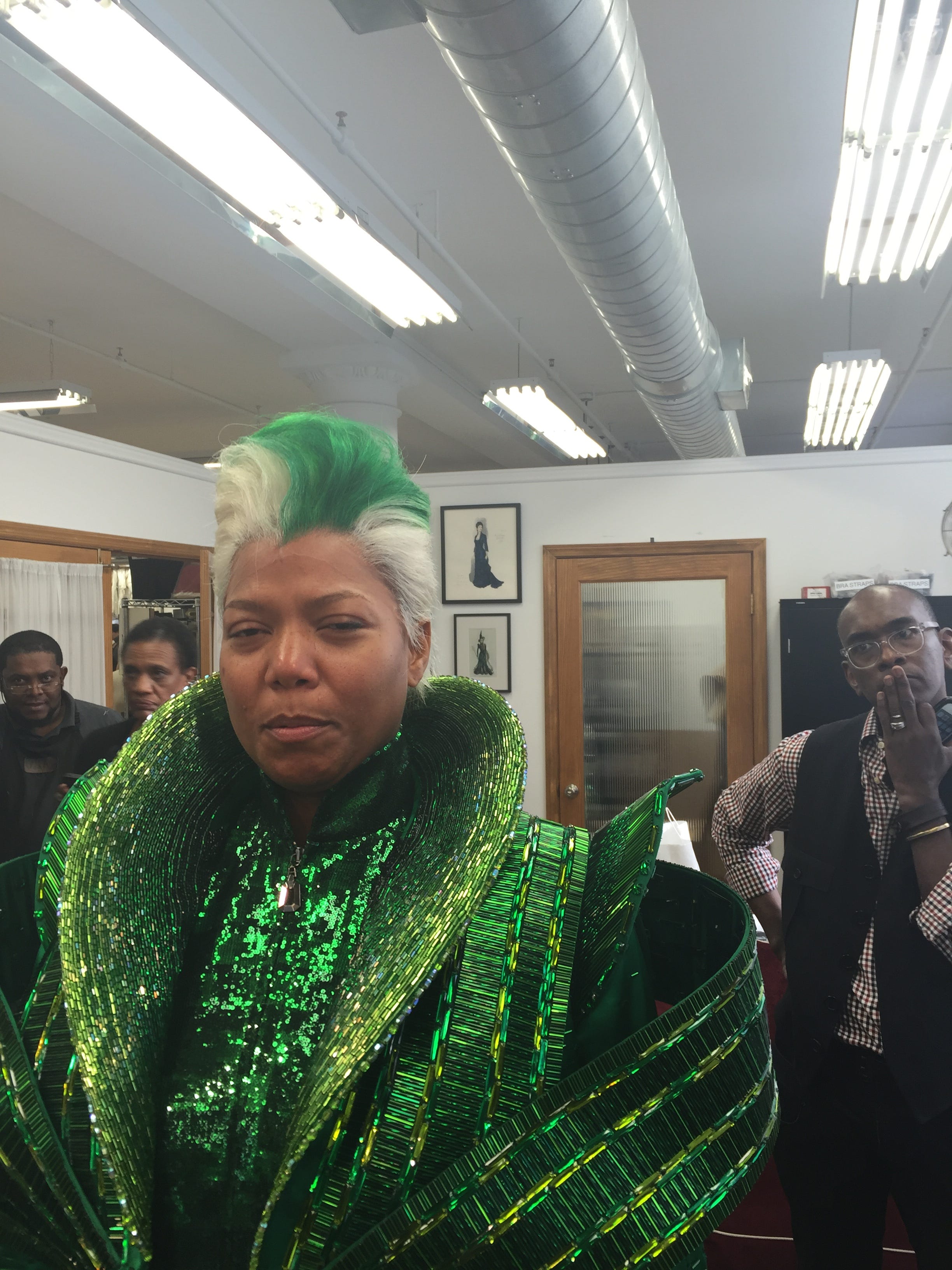
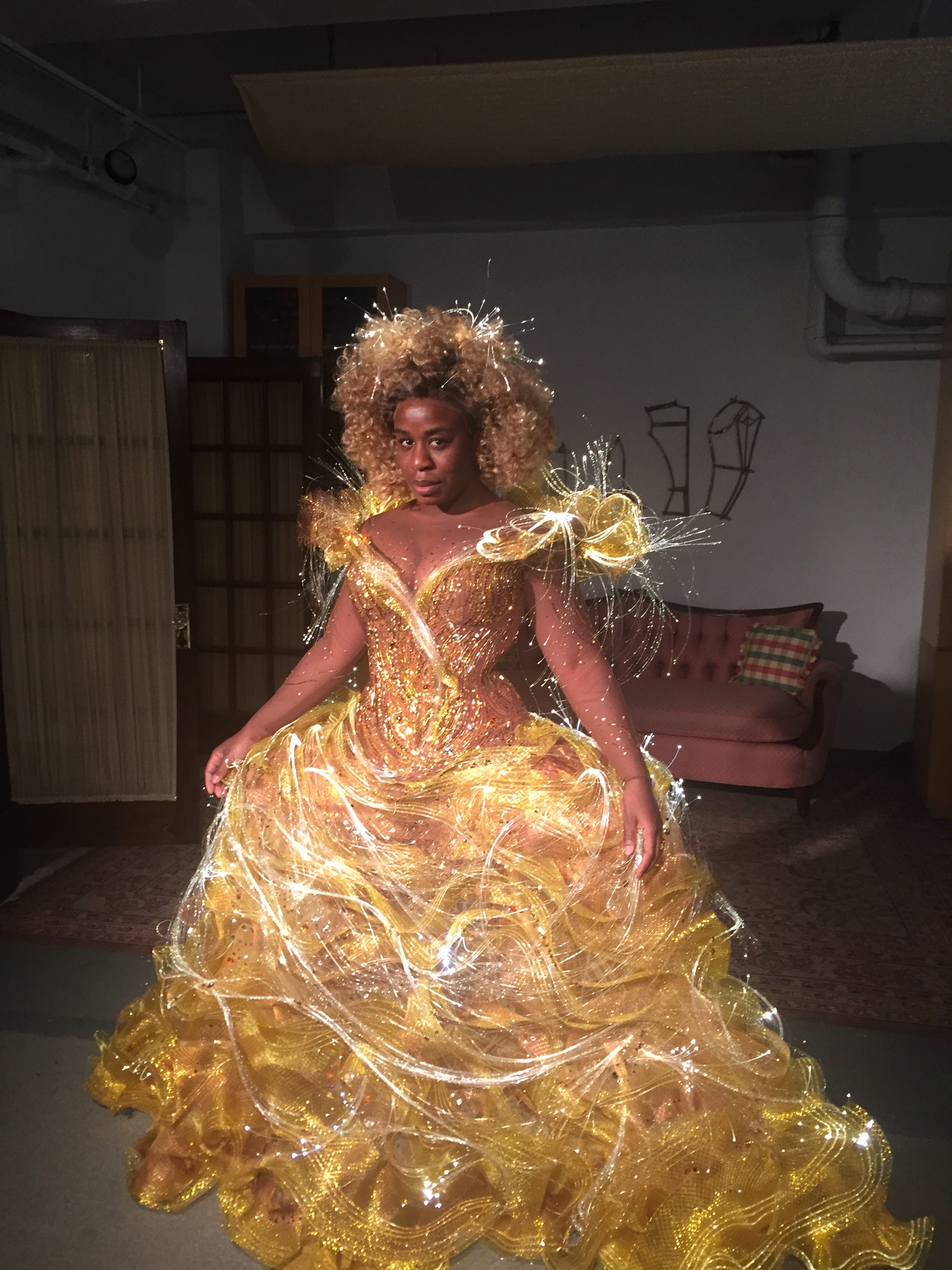
So anyway, thanks for that, and now here is Charles, along with a lot of photos of his wigs, so you can see the insane detail that goes into them. No dive-bar drag wigs here with the lace hanging out!
Chuck! I’m gonna start you out with a lightning round of questions. First—how many Broadway shows have you worked on?
Since I started doing shows on Broadway in 2004, I’d say about 150—with some of them having just one or two wigs. At my peak, before Covid, I had no time off and was working on five productions at a time, which meant that I couldn’t be at them all and had to find people to be at the tech rehearsals for me. That’s too much. You can’t do that and maintain any level of consistency, let alone with your own health—never mind the shows.
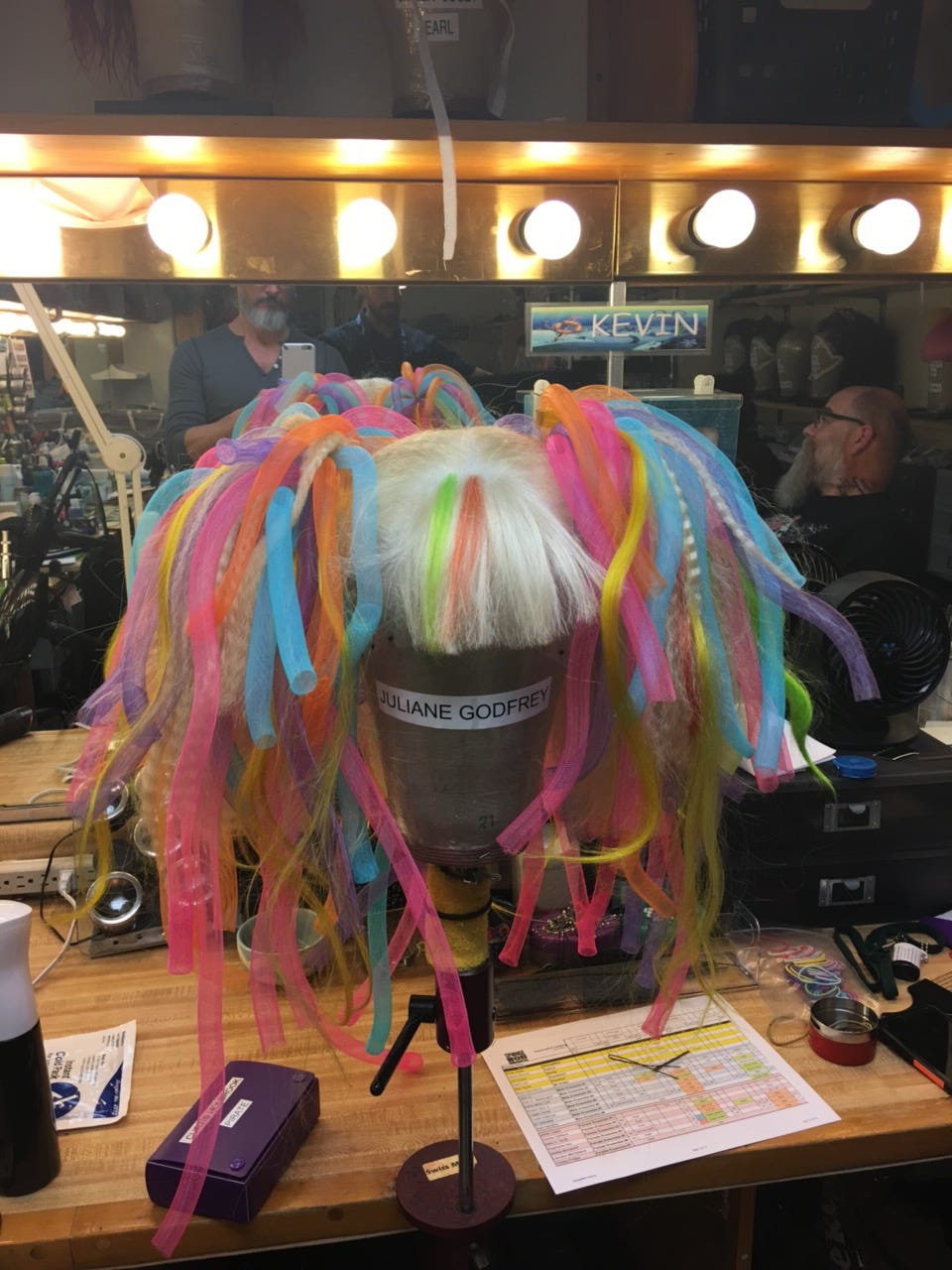
How many wigs do you think you’ve made at this point? A thousand?
Thousands. It’s a thirty-some-odd year career. Personally I’ve probably made 5,000 or 6,000 wigs myself. My studio I’m sure has produced upwards of 20,000 to 30,000.
What show had the greatest number of wigs?
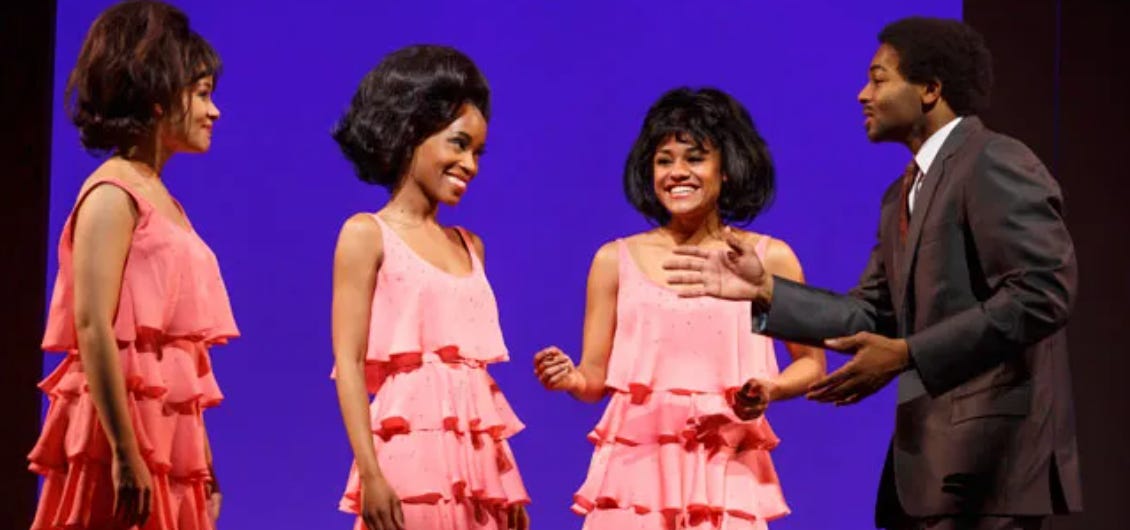
Motown—365 wigs, including for the covers and swings. Some were bought and we augmented them. You can’t hand-tie that volume in six weeks’ time.
Is your company the biggest wig maker in Broadway history?
I don’t know, but I’m the only person who has a salaried staff with health insurance. I did that because I wanted to keep a core group of people that I can count on. But I both design and make wigs. Not every designer makes wigs or vice versa.
How are you paid?
I am both the designer and the vendor, which ties us more closely into the show. That’s how I can have a staff—because the vending pays for them. Generally, shows pay a flat fee per wig. Especially on Broadway, they want to own the wigs. It’s a one-time deal. And then you’re replacing things as new cast members come in or when a wig breaks down, after about a year.
Okay. How many wigs for Hamilton?
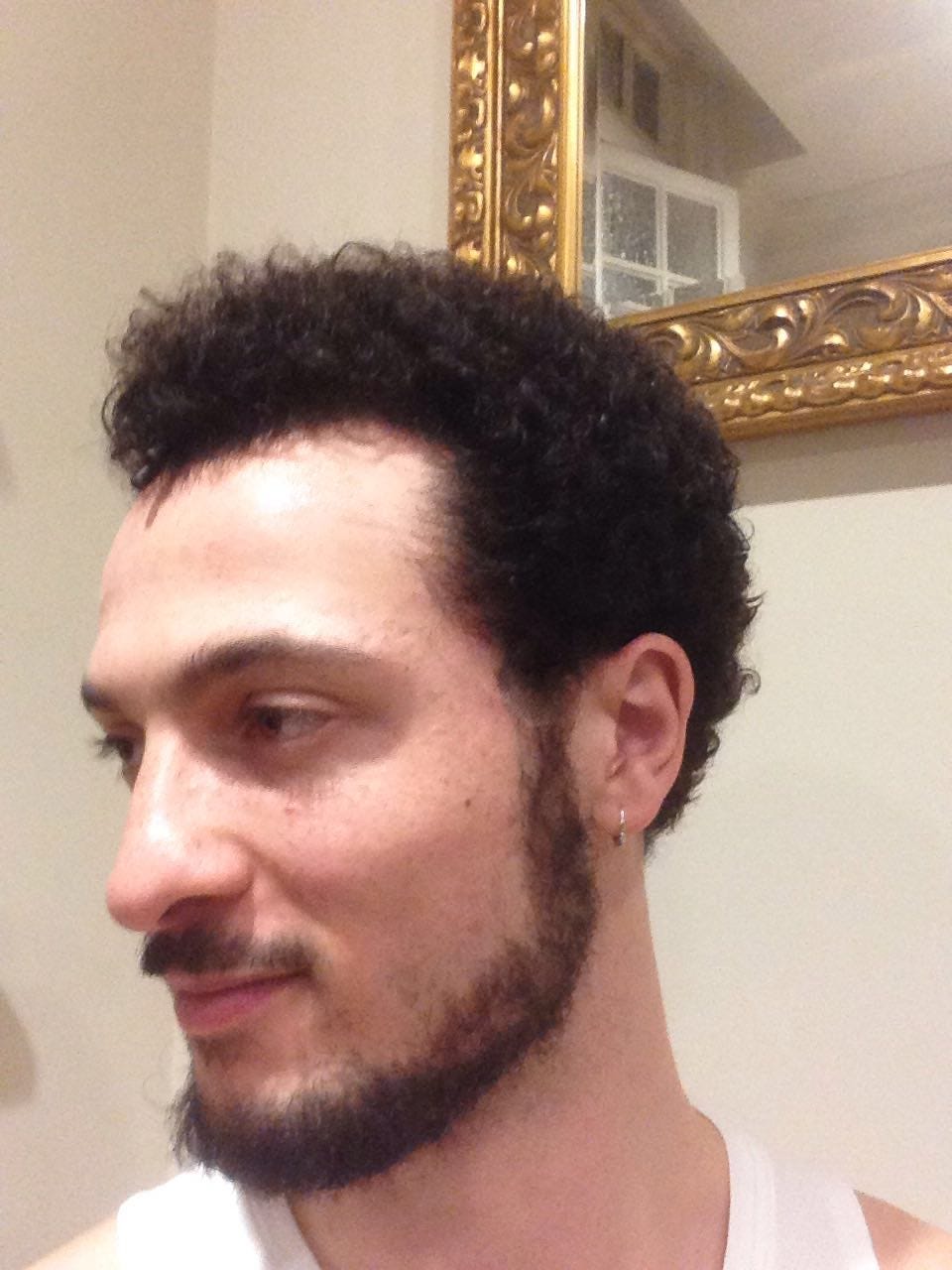
I think with all the swings and covers about 70 or 75. When we first started Hamilton at the Public, it was only two—King George and Angelica. Everyone else wore their own hair. That was the whole concept at the start—from the neck up you were modern and from the neck down you were period-inflected. But as the show went into different companies and tours, we needed some sense of consistency, so we wigged everyone. Those dancers were dancing and sweating their asses off, especially the girls of color, and their real hair was a mess. So when we made wigs for everyone, it was some version of the actor’s real hair—the essence.
Some of the “it’s my real hair” wigs for Hamilton…
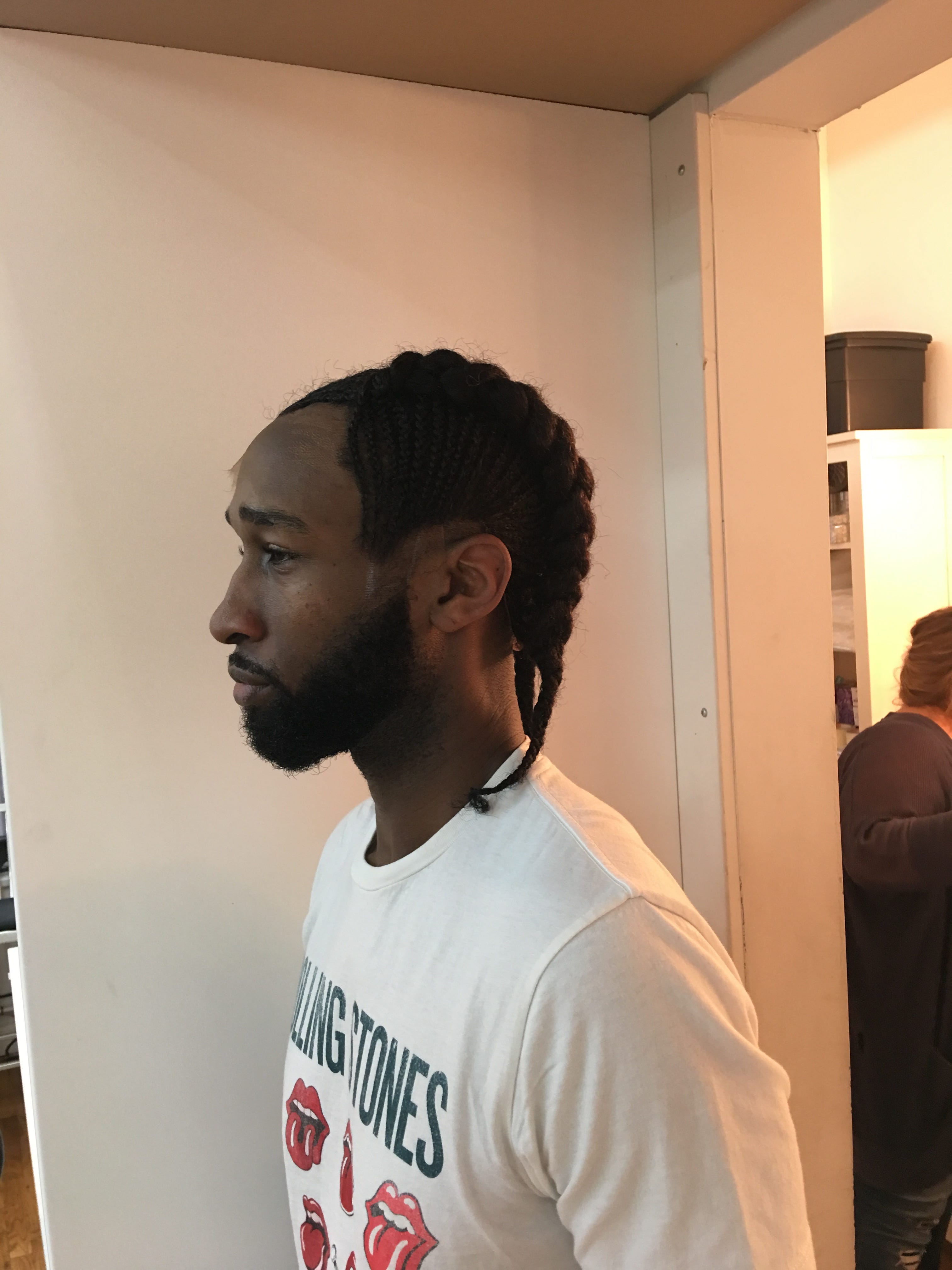
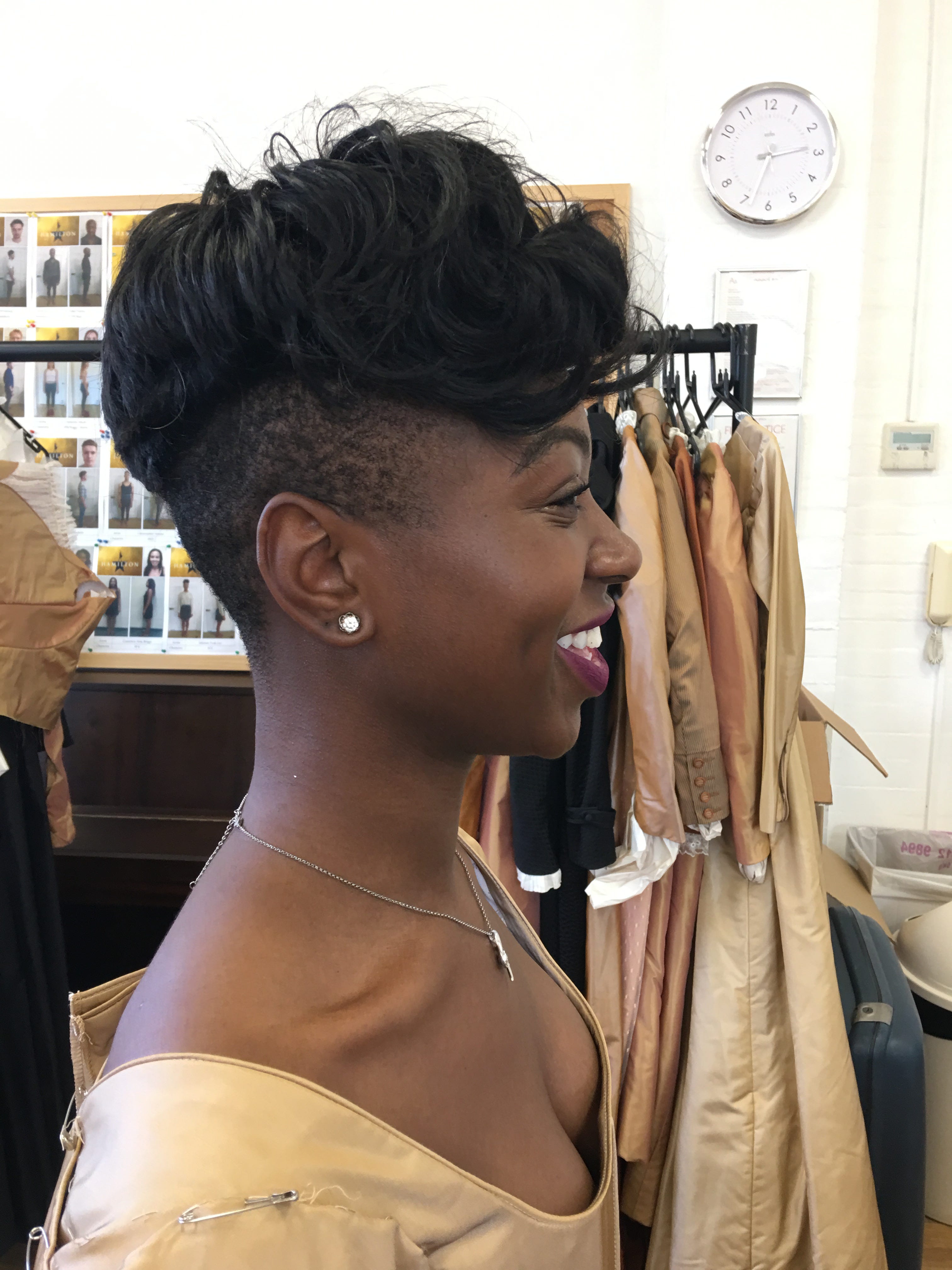
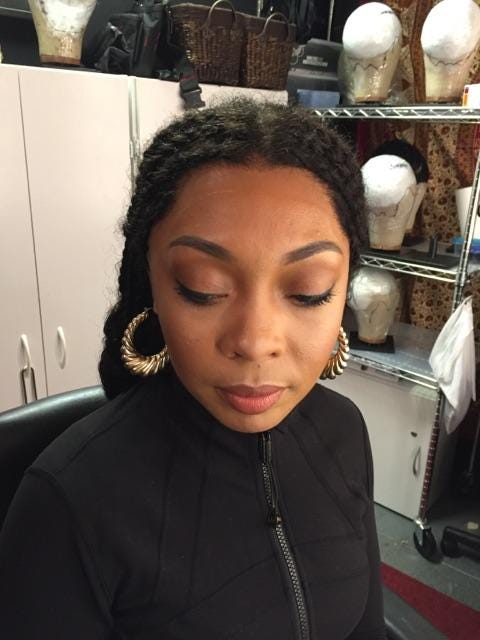
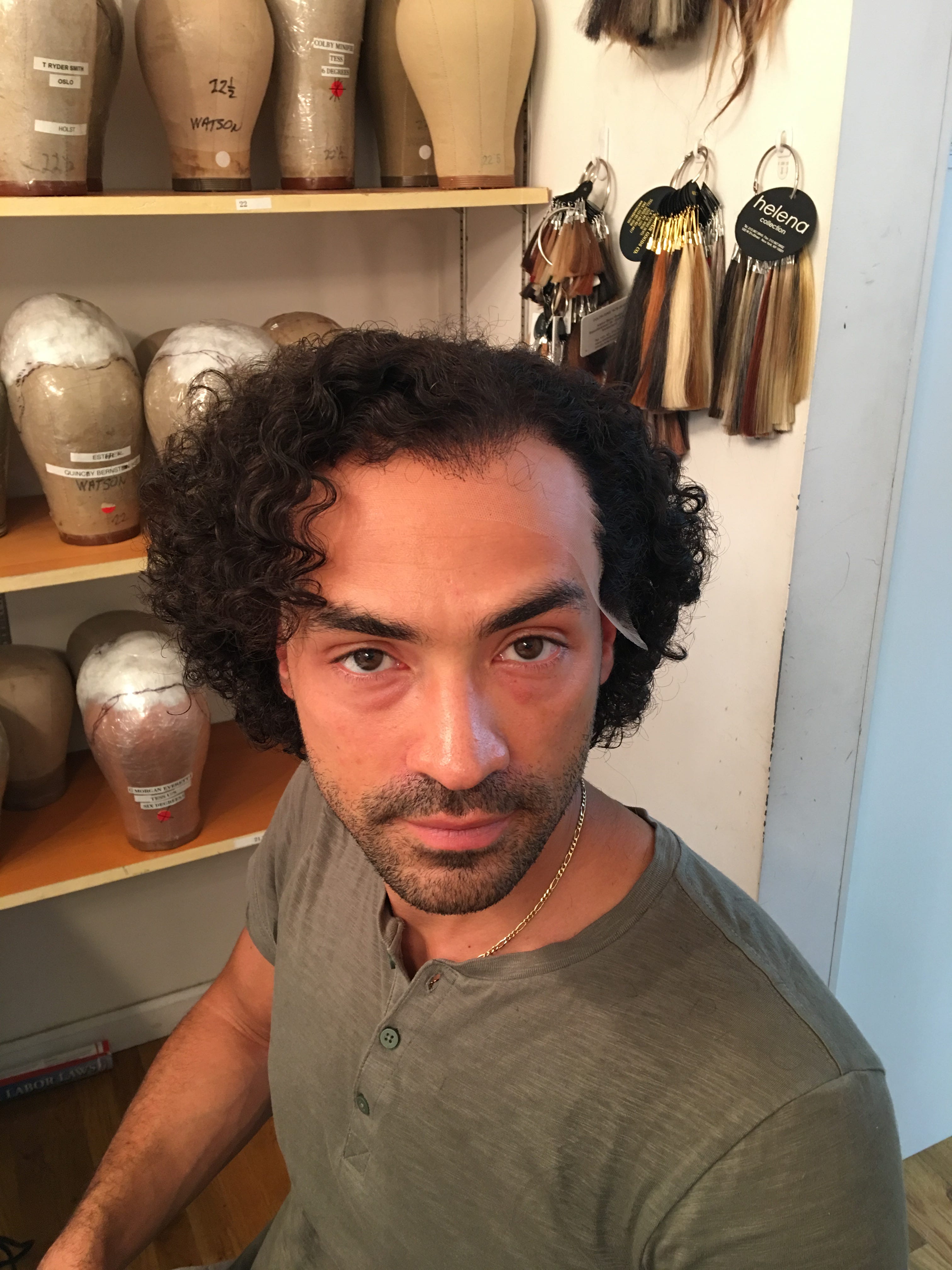
Did any of the actors object to having to wear heavy wigs?
I don’t make a heavy wig, so that wasn’t a problem. But we had to convince the actors that this was a better way to go and that it would protect their own hair from damage. It was more the guys who balked, who said, “Why do I have to wear a wig if it’s supposed to be my own hair?” Several of the actors played two characters, so to distinguish them, we created two looks. Daveed Diggs and Lin-Manual Miranda were able to tie their hair up or pull it down, but not everybody could do that. But even Lin-Manuel had to wear a wig in the Puerto Rico production because he’d cut all his hair off but they still wanted him to have two looks.
What’s the single wildest wig you’ve ever created?
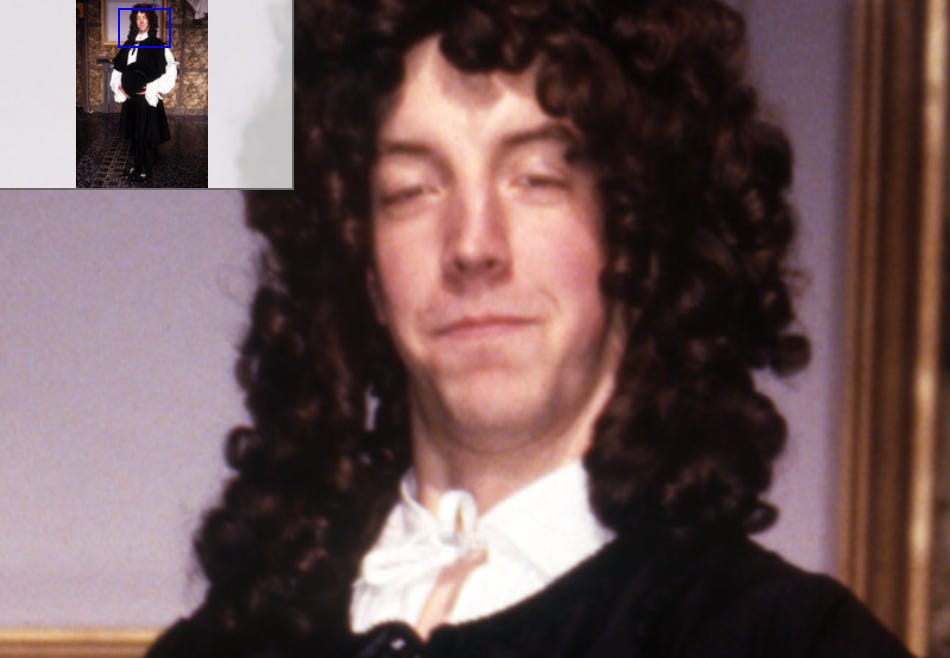
I did this production of a Moliere play—I can’t remember which one—that was so fun, because you took the period and fucked it up. So the hair had inflections of the 18th century, but we did mohawks and crazy colors
Can you talk about the rudimentary elements of wig construction?
You have to keep in mind that there are different types of wigs for different things. Let’s take an ensemble [chorus] track. In that track, out of four characters that an actor has been cast as, there might be a main character. So with that main character, we would probably hand-tie that wig, which means you do a bubble or a head wrap on them, trace their hairline, take their measurements, put that on a canvas head and then build them a full lace cap.
Here’s a very basic video on how to make a wig so you can get a sense what Chuck is talking about:
And there are also many types of caps—front lace, foundation lace, or both. You can also have lace front wigs that are machine-made. Often, to save money, we buy a machine-made wig, take out the top and create a natural lace front top. You can also do a hard front. So like with Motown, there were a lot of hard front wigs that had bangs or swoops added to cover the fact that there was no real hairline. But you were also saved by the fact that in that time period, women wore wigs all the time anyway. There were no lace fronts back then. It was all hard fronts.
What’s the difference between a lace front and a hard front?
A hard front has a hard edge that’s wefts, or rows, of hair that’s sewn down. It doesnt’ look like a real hairline. A lace front has some kind of hairline ventilated into it. Go online—there are all kinds of tutorials on YouTube.
How long does it take to make a hand-tied wig?
Depending on your skill and speed, anywhere from 40 to 60 hours. I can probably do it in 30 hours.
It’s incredibly time- and labor-intensive work, right?
Yeah. It’s very hard on your body too because you’re in the same position for hours. It’s like computer work. I have 11 workers, which includes three associates who come and assist me on shows, plus a series of people outside.
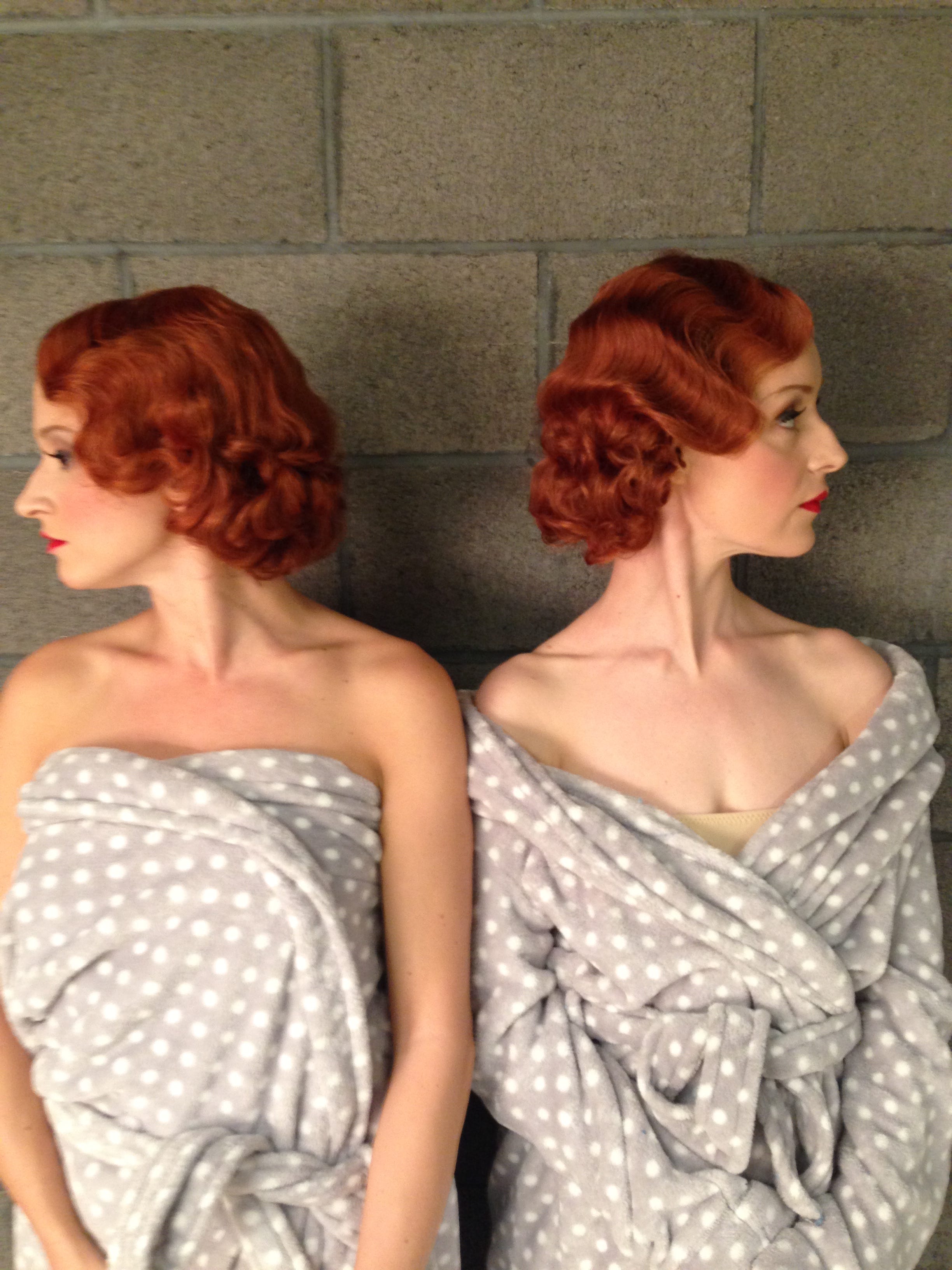
Okay now, tell me about little Chuckie. What were you like as a kid?
I grew up in Westport, Mass., which is between Fall River and New Bedford. I was very different than I am now. I was very much an introvert. I read a lot. I was always the good boy, helping my mom. I was very awkward in my early teen years. I got glasses freshman year. Though I was picked on and quite abused in high school, I also was the class clown because I realized that making people laugh would save my ass. And then at about 16, I started whoring around, doing all the typical gay-guy stuff, until somebody outed me and my mother had a nervous breakdown. The typical shit we go through. I realized I was gay at about age seven. I started puberty at nine.
That’s also the time I started performing at Zeiterion Performing Arts Center in New Bedford. It was one of the first theaters to get the rights for A Chorus Line, which was a really big deal. After that, I ended up in New York City by 21, but realized soon that I didn’t have the stamina to deal with audition rejections. I needed something else, so I started dressing for the theater, which is when I met Tom Watson, who’s probably the most famous theater wig designer next to Paul Huntley. Tom and I were at American Repertory Theater (ART) in Cambridge, Mass., doing a production of Hamlet in 1991 with Mark Rylance…
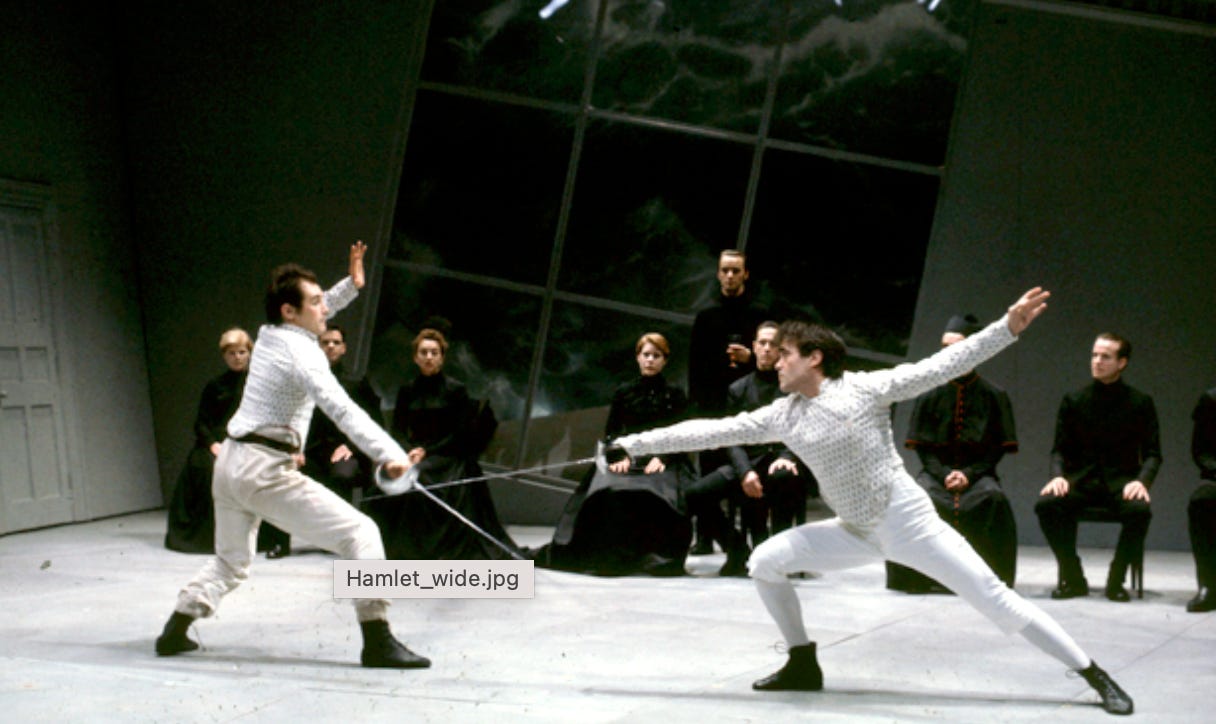
…and I was dressing Mark. So Tom and I started a romantic relationship and I ended up moving to St. Louis, where Tom lived because he was doing a lot of opera there, but he could also get anywhere in the country in one flight. We were there for about a year and a half. I traveled around a lot with him and learned how to design makeup and make wigs. As Tom got more and more jobs, he needed someone to take over.
What did you learn about designing wigs versus making them?
Tom was a trained hairdresser who got into opera through one of his clients, who took him to it. I, on the other hand, had no hair background beyond having two sisters whose hair I was always playing with. So I basically had to teach myself, even though Tom gave me the fundamentals of how to set a wig. It was unconventional but helped me develop my own style. But it came with a lot of insecurity.
Why?
I had no formal hair background. I was always doubting myself. Even to this day, I’m constantly questioning myself. I try to create something that is growing from your head, regardless of the period, style or color. People have to believe it’s not a wig. But once you make the wig, it can do anything you want it to do.
Do you start with the top? The sides?
I always start from the back and work forward, because that gives me a sense of where I’m going. If I do the front first, there’s no changing it. However, the girls in my studio, working on all the wigs for MJ, we knew what the wig was supposed to be. So they could get the fronts, the most time-consuming part, done first, then they’d tag-team the backs. Basically an assembly line because the wigs were a set color and style.
Walk me through the process of making a wig for a character.
First I meet with the director and the costume designer to see what the overall impression is. Most of the designers I work with trust me, so they let me go off and create something within this world that they’ve created. Then the actor and I have conversations about the look, color and texture. I then do their head wrap, set it up, build the cap and pick the hair, which is determined by the character, like whether the hair has texture or has some gray in it. Now I have a completed wig and I can do whatever I want with it.
Do you use synthetic hair?
Never. I always use human hair, which is expensive, and getting more so with the [Trump] tariffs. A lot of it is from India. We’ve noticed a big decline in the quality of hair from everywhere.
What was your first big break?
The mid-2000s, meeting [acclaimed costume designer] Paul Tazewell…
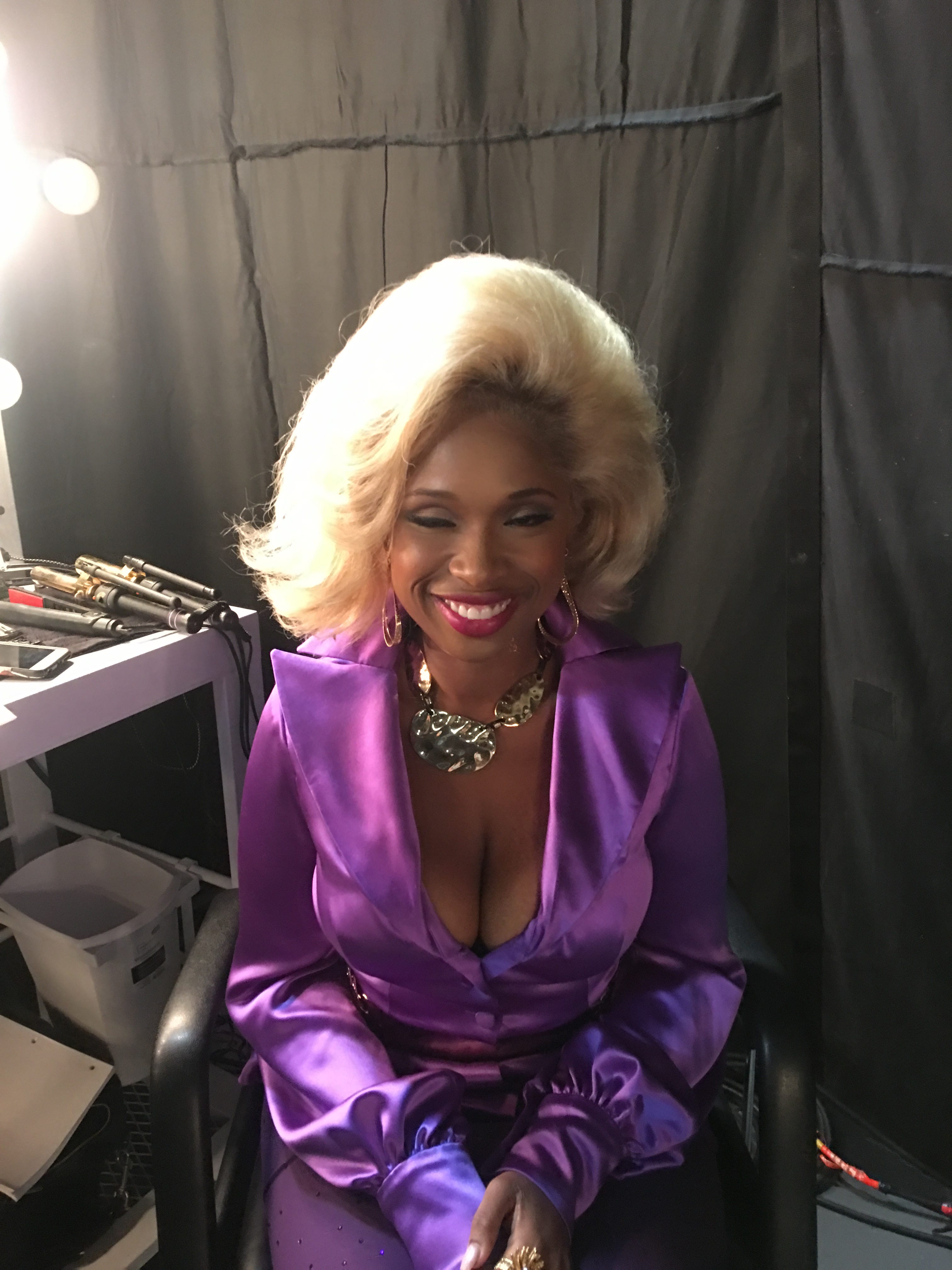
…and doing both A Raisin in the Sun and The Color Purple. The Color Purple is when I realized that that’s what I was supposed to be doing, specializing in ethnic hair and representing an underrepresented group. I was so terrified. A Raisin in the Sun was P. Diddy, Phylicia Rashad, Sanaa Lathan, Audra McDonald…
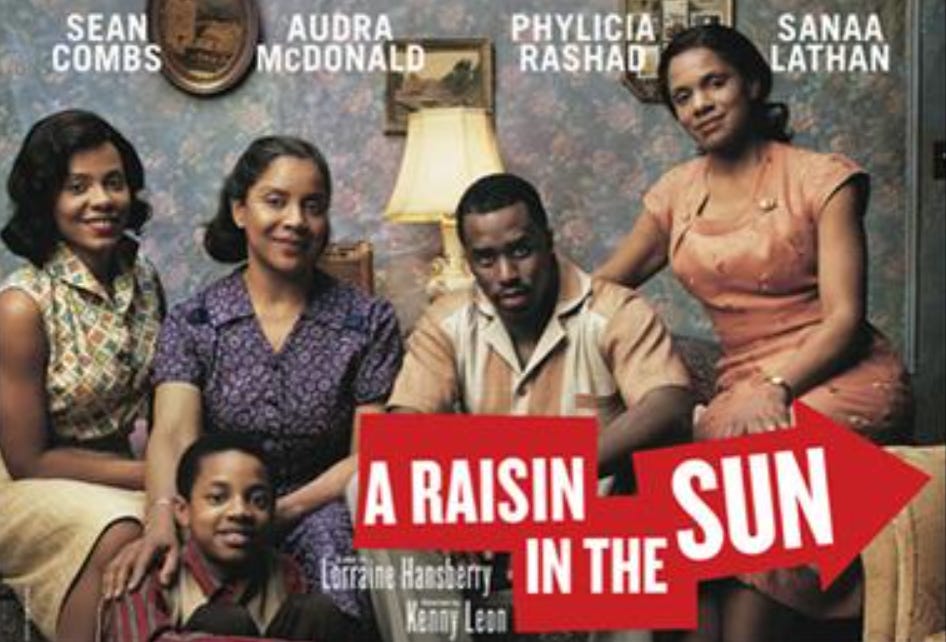
…all these big stars who were all looking at me, the white guy, going, “Okay, let’s see what he comes up with.” So I was standing in the subway literally on top of people looking at how their hair grew, and the texture. I got caught so many times. I didn’t know what else to do! But Paul and I became friends almost immediately, and it’s a 22-year-relationship now. We most recently did Death Becomes Her together.
After Tom and I split up after about eight years, we continued sharing a studio and staff and working together until about 2018.